
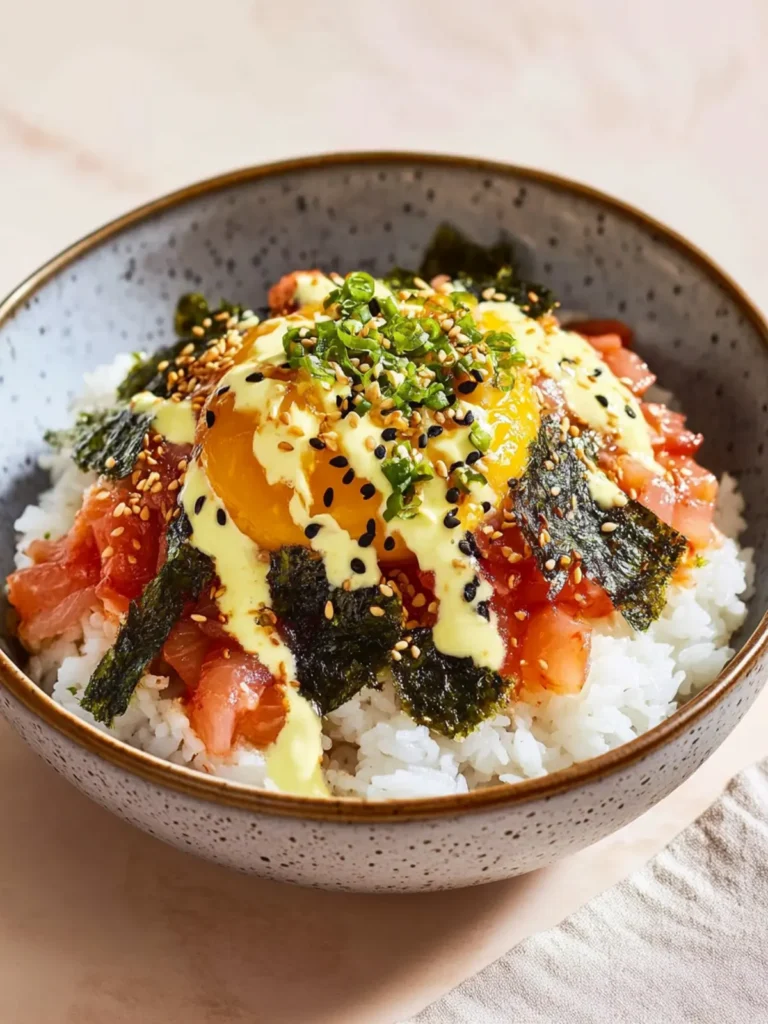
There’s something undeniably comforting about a bowl of Korean Tuna Rice. As I sat down with friends after a long week, the bright colors and enticing aroma of this dish sparked joy right from the first bite. With the savory blend of tender tuna, creamy mayo, and a kick from the kimchi, this meal is truly a feast for the senses.
When you’re looking to break free from the fast-food routine, this easy-to-make recipe steps into the spotlight with its delightful fusion of flavors. You can whip it up in no time, making it ideal for busy weeknights or spontaneous gatherings. The beauty of Korean Tuna Rice lies not just in its simplicity but in its versatility; whether you prefer your eggs fluffy or sunny-side up, each bowl is uniquely your own.
Join me as we create a delicious dish that’s not only satisfying but also celebrates the incredible flavors of Korean cuisine!

Why is Korean Tuna Rice so special?
Comforting and Flavorful: This dish is a delightful fusion that combines savory tuna with creamy mayo, creating a comforting meal in every bite.
Quick and Easy: Perfect for busy weeknights, you can whip this up in under 30 minutes—ideal for those last-minute dinner plans!
Versatile Options: Whether you like your eggs scrambled or sunny-side up, adjust it to your preference for a personalized touch.
Healthful Ingredients: Packed with protein from tuna and eggs, alongside fermented kimchi for gut health, it’s a wholesome choice.
Crowd Pleaser: Impress friends and family alike; the vibrant colors and big flavors make this a hit at gatherings!
Embrace mouthwatering convenience with this recipe; it’s a fresh alternative to fast food that puts joy back into meal prep!
Korean Tuna Rice Ingredients
For the Rice Bowl
• Cooked short grain rice – provides the perfect sticky base that complements all the toppings beautifully.
• Canned tuna in oil – adds a rich flavor; you can substitute with tuna in water if you prefer a lighter option.
For the Toppings
• Eggs – beaten for a creamy texture, or cook them sunny-side up for a runny yolk that enhances each bite.
• Kimchi – adds a delightful tang and spice; feel free to adjust the amount according to your heat tolerance.
• Korean roasted seaweed flakes – provide a crunchy texture and umami flavor that elevates the dish.
For the Sauces
• Japanese mayo – brings creaminess and a hint of sweetness; regular mayo works well too if you’re in a pinch.
• Teriyaki sauce – drizzled on top for an extra layer of savory goodness; you can swap for unagi or tonkatsu sauce for a different twist.
For Cooking
• Vegetable oil – a neutral choice that keeps the flavor spotlight on your ingredients; can be replaced with any light oil you have on hand.
• Salt – enhances the overall flavors; adjust to taste based on your dietary preference.
• White granulated sugar – balances the flavors, but you can omit it for a savory version of Korean Tuna Rice.
How to Make Korean Tuna Rice
-
Open and Mix: Open the canned tuna and strain out the liquid. In a small bowl, combine the drained tuna with 2 tablespoons of mayonnaise, salt, and sugar. Mix well and set aside to meld the flavors.
-
Prepare the Rice: Place your hot, cooked short grain rice into a large serving bowl. Cover it with a clean cloth to keep it warm while you prepare the toppings.
-
Cook the Eggs: Heat 1 teaspoon of vegetable oil in a small pan over medium heat. Quickly scramble the beaten eggs for about 1 minute until they are just set but still moist, or fry them sunny-side up. Transfer immediately over the hot rice for the best texture.
-
Sauté the Kimchi: In the same pan, add the remaining vegetable oil and reduce the heat to low-medium. Sauté the chopped kimchi for 30-45 seconds just until warm, then layer it on top of the scrambled eggs.
-
Add Tuna Mixture: Spread the tuna mayo mix over the warmed kimchi. This will create a lovely contrast of flavors and textures.
-
Garnish and Serve: Sprinkle the top with Korean roasted seaweed flakes, and drizzle with additional mayonnaise and teriyaki sauce for an extra burst of flavor. Dig in and enjoy your flavorful creation!
Optional: Add a sprinkle of sesame seeds for extra crunch.
Exact quantities are listed in the recipe card below.
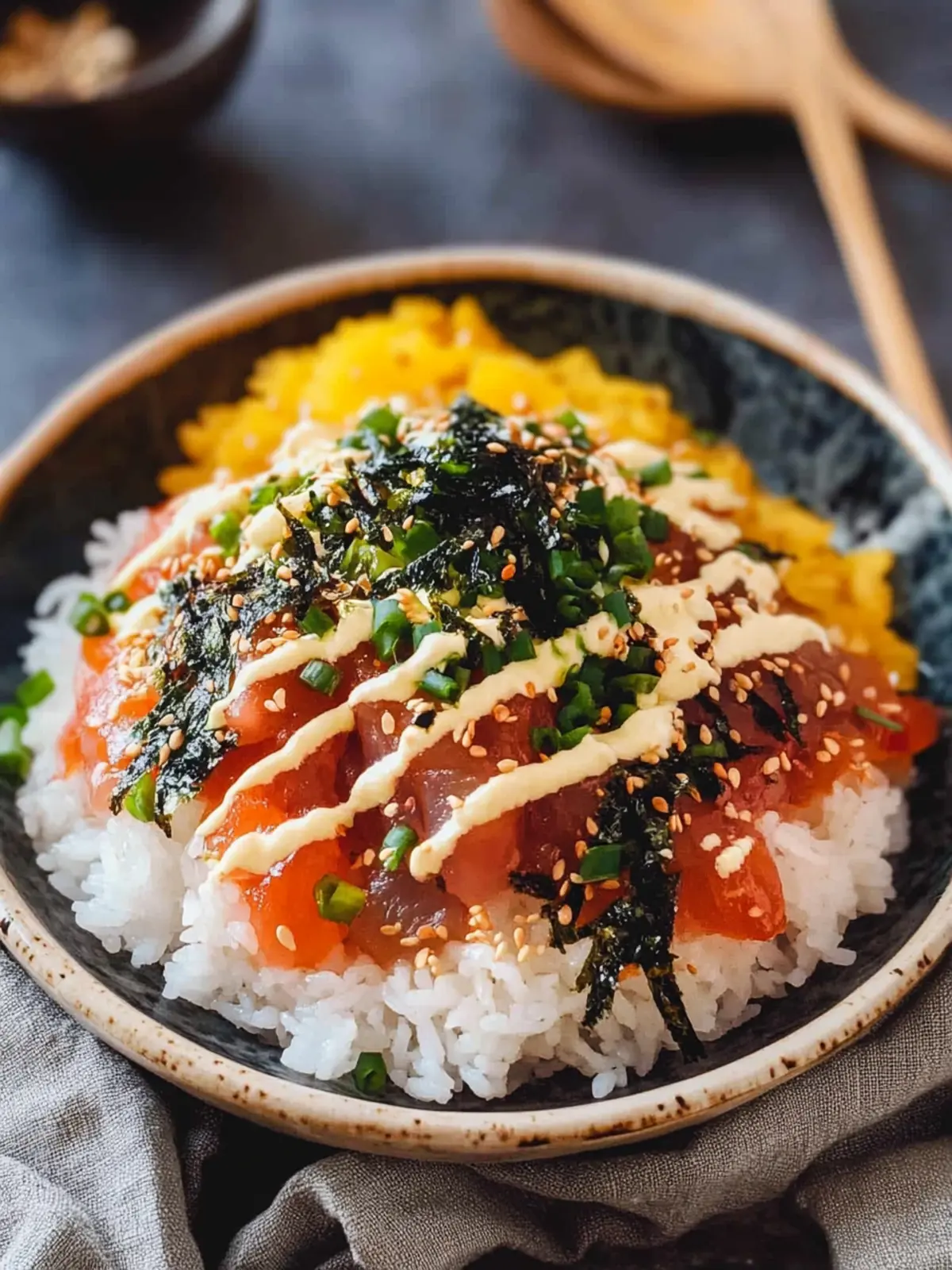
Expert Tips for Korean Tuna Rice
- Rice Quality: Use sushi or short grain rice for the perfect sticky texture; avoid long grain rice as it won’t hold the toppings well.
- Tuna Selection: For richer flavor, stick with tuna in oil. If you choose tuna in water, consider adding a bit more mayo for creaminess.
- Egg Cooking: Watch eggs carefully; overcooking them can lead to rubbery textures. Ideal eggs should be soft and fluffy for the best Korean Tuna Rice experience.
- Kimchi Integration: If you’re new to kimchi, start with a small amount; its intensity can vary. Adjust as you become familiar with its flavor.
- Sauce Variation: Feel free to experiment with different sauces like Sriracha or spicy mayo for a kick; just ensure it complements the rich tuna.
- Serving Size: This dish is great for sharing! Consider making a larger batch and serve it family-style for a fun dining experience.
Make Ahead Options
Preparing Korean Tuna Rice ahead of time is a fantastic way to save time on busy weeknights! You can make the tuna mayo mixture and sauté the kimchi up to 3 days in advance. Just store them in airtight containers in the refrigerator to keep everything fresh. The rice can also be made ahead and refrigerated, but it’s best to prepare it no more than 24 hours ahead for optimal taste and texture. When you’re ready to enjoy your meal, simply reheat the rice, layer it with the sautéed kimchi and tuna mixture, and cook your eggs fresh—this will ensure that they are delicious and perfectly cooked. With this method, you’ll have a delightful Korean Tuna Rice bowl ready in no time, bringing you restaurant-quality comfort food right at home!
What to Serve with Korean Tuna Rice?
There’s nothing quite like crafting a complete meal that elevates your delightful rice dish into a heartwarming feast.
- Crispy Asian Slaw: This refreshing slaw brings crunchy cabbage and zesty dressing, balancing the richness of the tuna rice with a vibrant zing.
- Miso Soup: A warm and soothing miso soup provides a comforting fusion, perfectly complementing the bold flavors of your Korean Tuna Rice.
- Steamed Broccoli: Lightly seasoned steamed broccoli offers a nutritious, earthy counterpoint to the savory richness of the tuna, enhancing your dining experience.
- Sweet Potato Fries: The sweet, crispy fries introduce a delightful contrast to the meal; dipping them in some teriyaki sauce creates an added layer of flavors!
- Kimchi Pancakes: Enjoy these savory pancakes as a spicy side that echoes the kimchi in your main dish—an extra treat for kimchi lovers!
- Chilled Soju: A smooth, chilled soju makes for a refreshing drink that pairs well with the savory elements of your rice bowl.
- Sesame Green Beans: These sautéed green beans, tossed in sesame oil and seeds, provide a nutty crunch that complements the dish’s creaminess.
Each pairing not only enhances your Korean Tuna Rice experience but also adds an exciting element to your meal. Enjoy creating a feast that warms the heart!
Korean Tuna Rice Variations & Substitutions
Feel free to personalize your Korean Tuna Rice to cater to your unique taste buds!
-
Spicy Kick: Add a tablespoon of gochujang (Korean chili paste) to the tuna mix for a fiery boost. The heat beautifully contrasts the creaminess of the mayo.
-
Vegetarian: Swap tuna with sautéed mushrooms or crumbled tofu. This keeps it hearty while adhering to vegetarian preferences, offering a satisfying texture.
-
Gluten-Free: Use tamari or a gluten-free teriyaki sauce instead of regular teriyaki sauce. It provides that sweet-savory profile without any gluten.
-
Extra Crunch: Top with chopped cashews or almonds for a delightful crunch. This adds an element of surprise and texture to your rice bowl!
-
Herb Infusion: Mix in chopped scallions or cilantro with the kimchi for a fresh, herbaceous note that brightens the dish. It adds layers of flavor and a pop of color.
-
Bowl Boost: Add vegetables like steamed broccoli or shredded carrots alongside the kimchi. This not only boosts nutrition but also enhances the dish’s vibrant presentation.
-
Creamy Twist: Replace the mayonnaise with a dollop of avocado or guacamole for a rich, creamy alternative. It’s a delicious deviation that adds healthy fat.
-
Egg Substitution: Use scrambled silken tofu as a substitute for eggs for a vegan version. It offers a similar texture and complements the rice and toppings beautifully.
How to Store and Freeze Korean Tuna Rice
Fridge: Store any leftovers in an airtight container for up to 3 days to keep the rice and toppings fresh and flavorful.
Freezer: Ideal for meal prep, this dish can be frozen for up to 1 month. Pack the components separately to preserve texture, especially for the eggs and kimchi.
Reheating: Thaw in the fridge overnight and reheat in a microwave or skillet until hot. Avoid overcooking the eggs to maintain their softness in your Korean Tuna Rice dish.
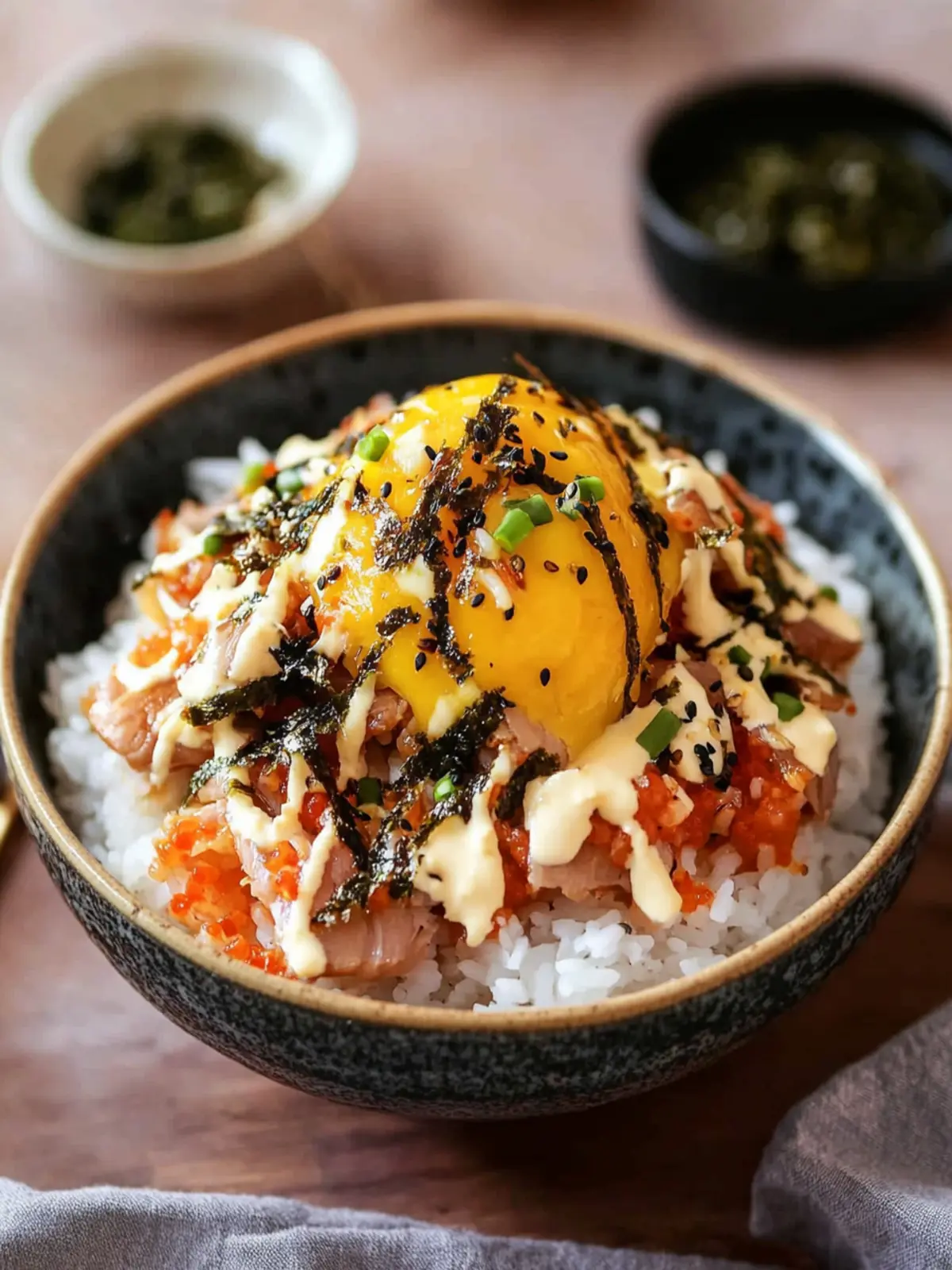
Korean Tuna Rice Recipe FAQs
What type of rice is best for Korean Tuna Rice?
For the best texture, I absolutely recommend using short grain or sushi rice. These types provide the sticky base that holds the toppings beautifully. Avoid long grain rice as it can be too dry and fluffy for this dish.
How should I store leftover Korean Tuna Rice?
Store any leftovers in an airtight container in the refrigerator for up to 3 days. This helps maintain the freshness of the rice and toppings. Just remember to reheat it gently to keep the eggs soft!
Can I freeze Korean Tuna Rice?
Yes! You can freeze the components of Korean Tuna Rice for up to 1 month. I suggest packing the rice, tuna mixture, and sautéed kimchi separately to preserve their textures. To reheat, thaw in the fridge overnight and warm it up gently before serving.
What can I do if my kimchi is too spicy?
If you find your kimchi too spicy, try mixing it with some extra mayonnaise or yogurt to tone down the heat. Alternatively, you can reduce the amount of kimchi you use and add more rice to balance the flavors if you prefer a milder taste.
Is there a way to make Korean Tuna Rice allergy-friendly?
Absolutely! For a gluten-free version, ensure to use gluten-free sauces and check the labels of your mayo. If you have a seafood allergy, consider substituting the tuna with cooked chicken or tofu for a plant-based option. Just be sure to adjust the flavors and seasonings accordingly!
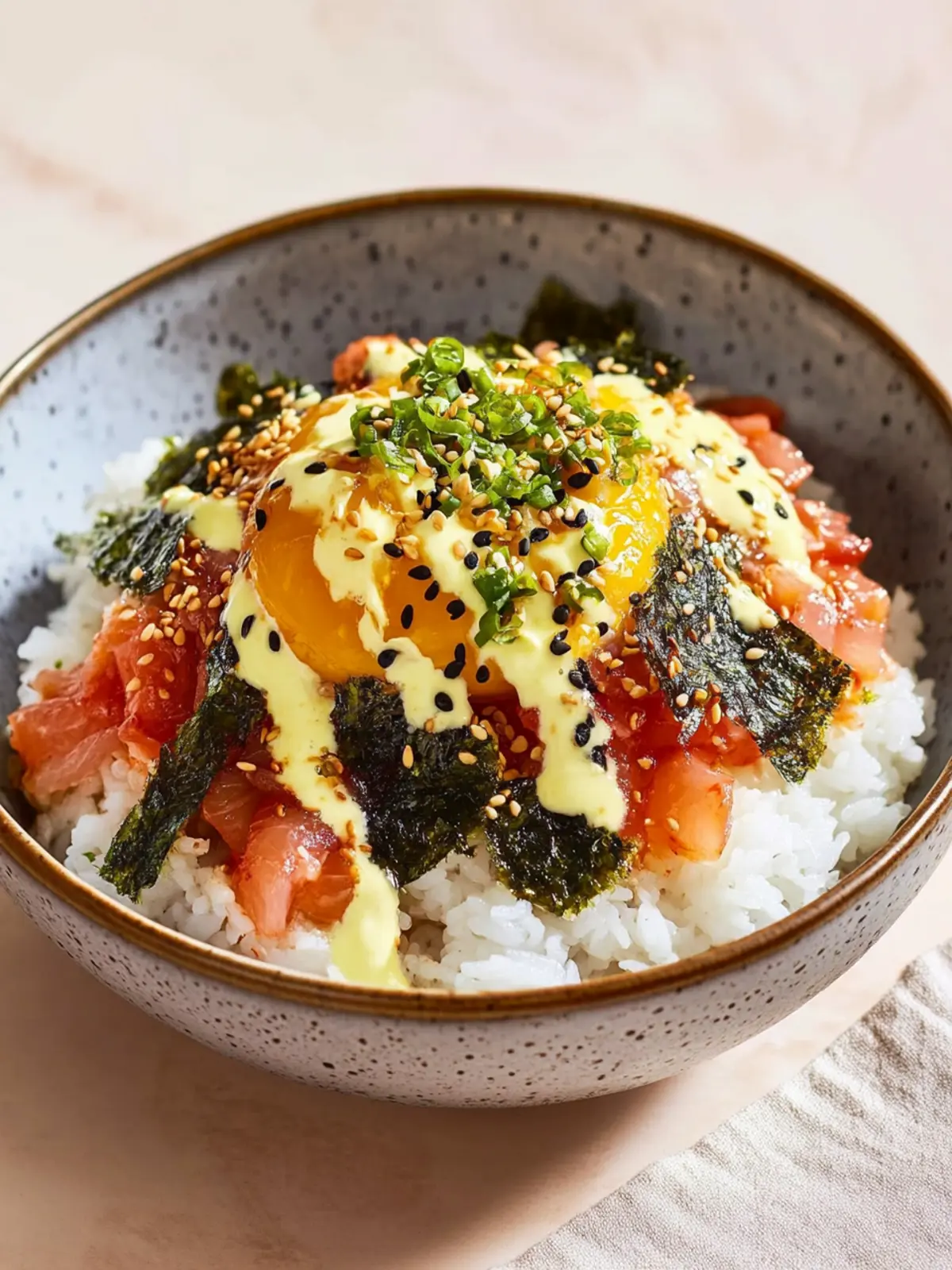
Delicious Korean Tuna Rice: A Flavor-Packed Comfort Bowl
Ingredients
Equipment
Method
- Open the canned tuna and strain out the liquid. In a small bowl, combine the drained tuna with 2 tablespoons of mayonnaise, salt, and sugar. Mix well and set aside.
- Place your hot, cooked short grain rice into a large serving bowl. Cover it with a clean cloth to keep it warm.
- Heat 1 teaspoon of vegetable oil in a small pan over medium heat. Quickly scramble the beaten eggs for about 1 minute until they are just set, or fry them sunny-side up.
- In the same pan, add the remaining vegetable oil and sauté the chopped kimchi for 30-45 seconds just until warm, then layer it on top of the scrambled eggs.
- Spread the tuna mayo mix over the warmed kimchi.
- Sprinkle with Korean roasted seaweed flakes, and drizzle with additional mayonnaise and teriyaki sauce.