
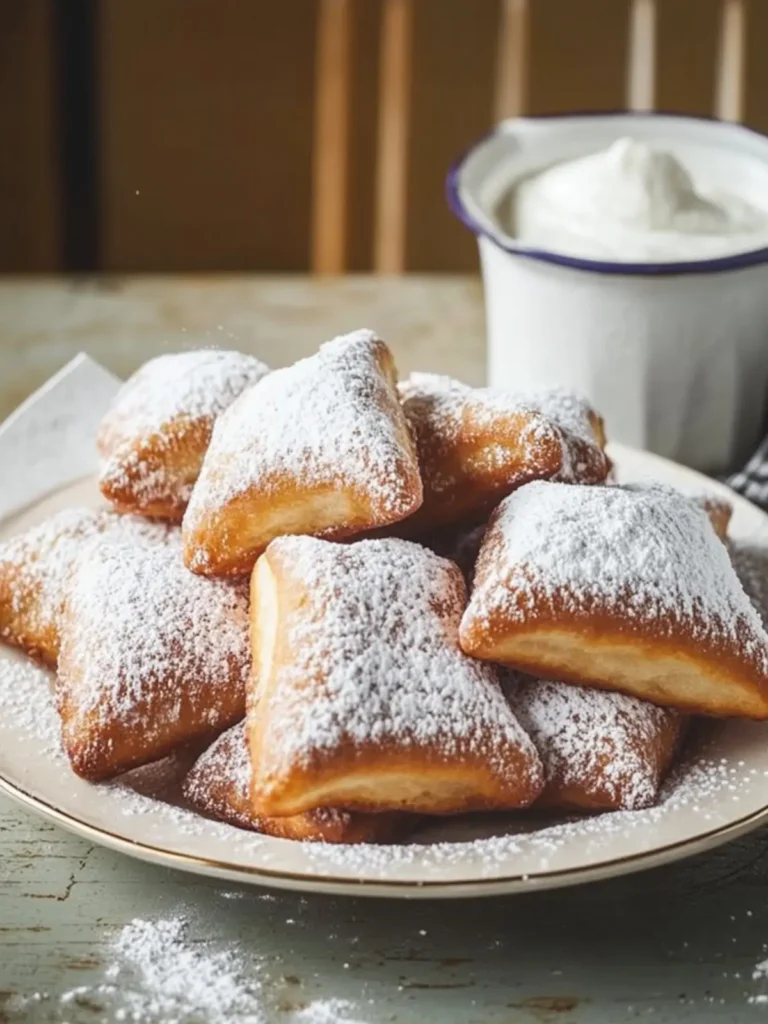
As I stood in my kitchen one sunny afternoon, the tantalizing scent of sweet yeast dough began to fill the air, whisking me away to the vibrant streets of New Orleans. The rich aroma of New Orleans-style beignets frying in hot oil is enough to make anyone’s mouth water! This delightful treat, with its pillowy texture and generous dusting of powdered sugar, is the perfect remedy for those moments when fast food just won’t cut it.
I had been searching for a way to bring that little slice of Crescent City into my home, and with this recipe, I found it! Not only are they wonderfully light and fluffy, but they are surprisingly easy to whip up, allowing you to impress your family or friends without hours of fuss. Whether you’re hosting brunch or just indulging in some self-care, these beignets are bound to make your taste buds dance with joy. So, roll up your sleeves and let’s recreate an authentic taste from the heart of Louisiana!

Why Are New Orleans-Style Beignets So Irresistible?
Heavenly, light texture: These beignets are airy and fluffy, providing that perfect bite of comfort and joy.
Easy to make: You can create these delightful treats right in your own kitchen without any specialized skills!
Crowd-pleasing snack: Whether for brunch or a late-night treat, everyone loves a warm beignet coated in powdered sugar.
Unique flavor: The combination of sweet yeast dough and a warm, crispy exterior offers a taste that’s far superior to any fast food.
Quick satisfaction: With a total time of just over two hours, you’ll be savoring these delicious bites in no time!
Indulge in the magic of New Orleans by treating yourself to these airy delights—your taste buds will thank you!
New Orleans-Style Beignets Ingredients
• Let’s gather everything you need to create these delightful beignets!
For the Dough
- 3/4 cup water – The warm water helps activate the yeast for that perfect rise.
- 1/2 cup whole milk – Adds a richness to the dough, making your beignets tender.
- 1/3 cup granulated sugar – Sweetens the dough and aids in browning while frying.
- 1 1/2 teaspoons active dry yeast – The star ingredient that makes your New Orleans-style beignets rise and become fluffy.
- 1 large egg, beaten – Gives the dough structure and adds to the richness.
- 2 tablespoons unsalted butter, very soft – Ensures a rich, buttery flavor in each bite.
- 3 1/2 cups all-purpose flour, divided – Essential for the dough’s body; extra flour is for kneading and cutting.
- 1/2 teaspoon kosher salt – Balances the sweetness and enhances flavor.
For Frying
- 1 quart peanut or vegetable oil – Necessary for frying; the high smoke point will yield a crispy exterior.
- More oil for the bowl – Helps keep your dough from sticking as it rises.
For Dusting
- 1 cup powdered sugar – The crowning glory of your beignets, providing that sweet final touch.
Gather these ingredients, and you’ll be moments away from indulging in homemade bliss!
How to Make New Orleans-Style Beignets
-
Warm the liquids: Place 3/4 cup water and 1/2 cup whole milk in a large microwave-safe bowl. Microwave for 1 1/2 minutes or warm on the stove until just cooler than 100°F. This step is crucial for activating the yeast!
-
Activate the yeast: Whisk in 1/3 cup granulated sugar into the warm milk mixture. Sprinkle with 1 1/2 teaspoons active dry yeast and set aside for 15 minutes until it becomes foamy, indicating the yeast is ready.
-
Mix the dough: Add 1 large beaten egg, 1/2 teaspoon kosher salt, 2 tablespoons very soft unsalted butter, and 2 cups of the flour to the milk mixture. Beat with a wooden spoon until thick but smooth. Gradually mix in the remaining 1 1/2 cups flour until just combined.
-
Knead gently: Dust a work surface with 1/4 cup more flour, then dump the dough onto it. Gently fold it over itself 3 to 4 times, shaping it into a round. Place it in an oiled bowl and cover with a clean kitchen towel.
-
Let it rise: Set the bowl in a warm place to rise for 1 1/2 to 2 hours, or refrigerate for 8 to 10 hours if you want to prepare it ahead of time. The dough should double in size.
-
Prepare for frying: Heat 1 quart of peanut or vegetable oil in a large Dutch oven over medium-high heat until it reaches 370ºF. Line a baking sheet with two layers of paper towels to absorb excess oil.
-
Shape the beignets: Lightly flour a work surface again, then roll the dough out to a 17×11-inch rectangle, about 1/4-inch thick. Cut into 20 to 22 pieces, each about 2 inches square.
-
Fry the beignets: Add 3 to 4 squares to the hot oil at a time. Fry for 1 to 2 minutes until golden brown, then gently flip and fry for another 1 to 2 minutes. Ladle hot oil over the beignets to cook them evenly.
-
Drain and repeat: Transfer the fried beignets to the prepared baking sheet and let them cool slightly. Repeat the frying process with the remaining dough.
-
Dust and serve: Just before serving, generously dust the warm beignets with 1 cup of powdered sugar, creating that iconic sweet finish.
Optional: Serve with a side of warm chocolate sauce for dipping!
Exact quantities are listed in the recipe card below.
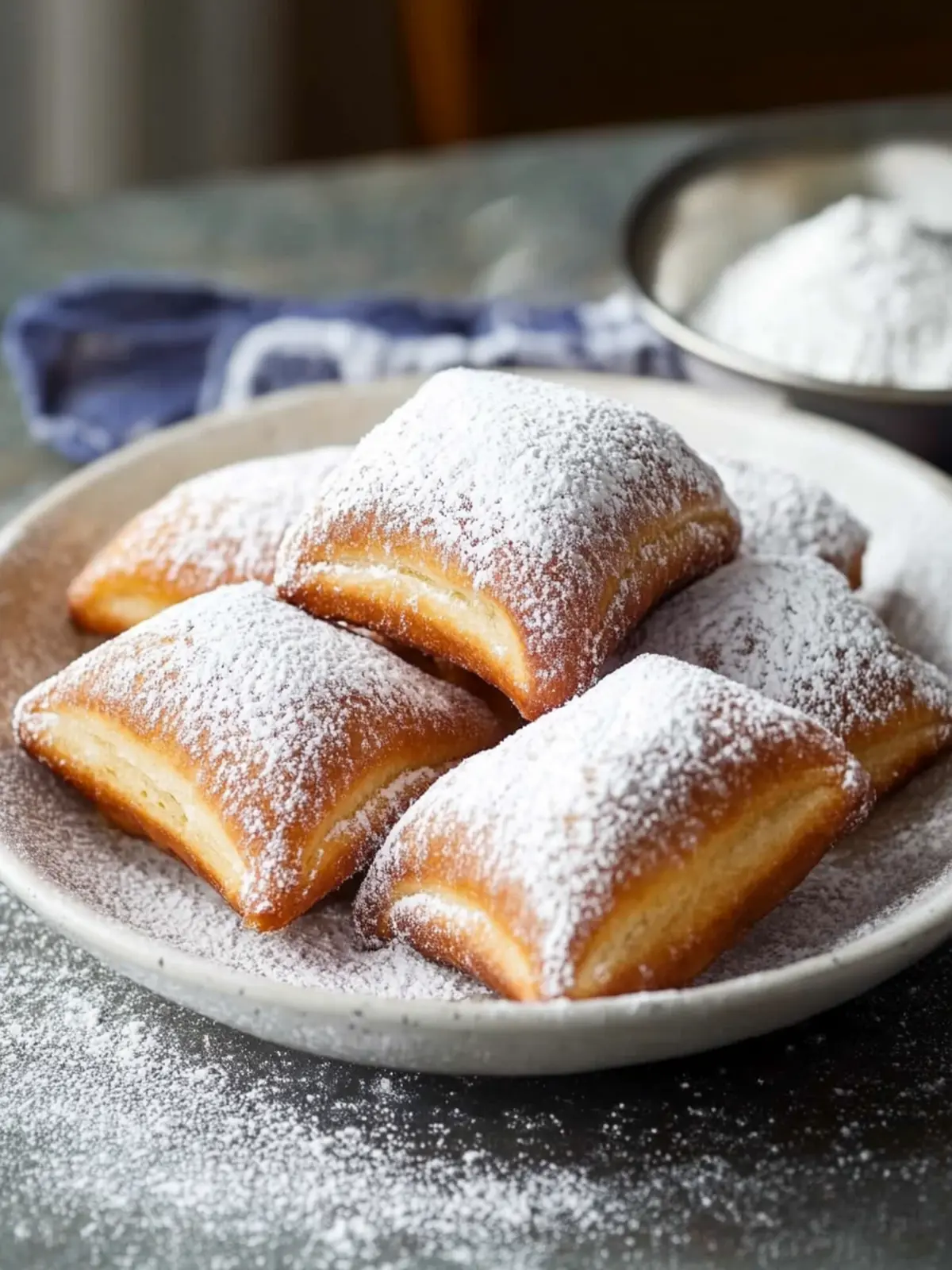
New Orleans-Style Beignets Variations
Get ready to personalize your beignets and take this delightful recipe to new heights of flavor and creativity!
-
Gluten-Free: Replace all-purpose flour with a 1:1 gluten-free flour blend for a suitable alternative. Your beignets may turn out just as fluffy!
-
Nutty Flavor: Add 1/4 cup almond flour to the dough for a subtle nutty taste. This twist creates an added dimension to the sweet flavor profile.
-
Cinnamon Sugar Dusting: Mix 1/2 cup of sugar with 1 tablespoon cinnamon. Dust the beignets after frying for a warm, spiced twist that’s utterly comforting.
-
Chocolate Chips: Fold in 1/2 cup mini chocolate chips into the dough before cutting them into squares for a delightful, melty surprise in every bite.
-
Spicy Kick: Add a pinch of cayenne pepper to the dough for an unexpected heat that contrasts beautifully with the sweetness.
-
Lemon Zest: Mix in a tablespoon of fresh lemon zest to the dough for a bright, zesty refresh that elevates the flavor to new heights.
-
Dairy-Free: Substitute whole milk with almond or oat milk and use dairy-free butter to cater to vegan friends without sacrificing the deliciousness!
-
Vanilla Bean: Scrape the seeds from 1 vanilla bean into the mixture for a luxurious, aromatic addition that makes your beignets even more enticing.
With these variations, you can transform your classic New Orleans-style beignets into something uniquely yours!
What to Serve with New Orleans-Style Beignets?
There’s nothing like the sweet allure of freshly made beignets to brighten up your day, but why stop there?
-
Café au Lait: This creamy coffee blend, made with equal parts brewed coffee and steamed milk, creates the perfect pairing and takes you straight to a French café vibe.
-
Fresh Fruit Salad: Juicy, vibrant fruits provide a refreshing contrast to the sweet, airy dough, adding a burst of color and natural sweetness to your brunch table.
-
Chocolate Dipping Sauce: For a touch of indulgence, serve warm chocolate sauce on the side. The silky chocolate enhances the beignets’ sweetness and offers a delightful dip.
-
Crisp Bacon: The salty crunch of bacon balances the beignets’ sweetness beautifully, creating a well-rounded breakfast experience that your family will adore.
-
Caramelized Bananas: Savor the warmth of sautéed bananas with a hint of cinnamon and sugar. Their velvety texture pairs wonderfully with the lightness of beignets.
-
Mint Tea: A soothing, aromatic mint tea adds a refreshing touch, cleansing the palate between bites of powdered sugar delight, making each moment of indulgence truly special.
Enjoy the magic of New Orleans right at your table with these delightful pairings, turning any occasion into a celebration!
How to Store and Freeze New Orleans-Style Beignets
Room Temperature: Store cooled beignets in an airtight container for up to 2 days. Leave them uncovered for the first hour to maintain their crispiness before sealing.
Fridge: If you prefer to keep them longer, place them in the fridge, where they can last up to 5 days. Reheat briefly in a microwave or oven to regain some warmth and texture.
Freezer: For long-term storage, freeze beignets in a single layer on a baking sheet, then transfer to a freezer-safe bag once solid. They can stay fresh for up to 3 months.
Reheating: To enjoy your beignets after freezing, thaw them overnight in the fridge, then reheat in a preheated oven at 350°F for about 8-10 minutes, dusting with powdered sugar once warmed.
Expert Tips for New Orleans-Style Beignets
-
Perfect Yeast Activation: Always ensure your milk and water mixture is warm but not too hot—around 100°F. This prevents killing the yeast, which is vital for fluffy beignets.
-
Avoid Overworking the Dough: When shaping and folding the dough, be gentle. Over-kneading can lead to tough beignets rather than the desired light texture.
-
Fry at the Right Temperature: Use a thermometer to monitor the oil temperature; ideally around 370ºF. Too low, and the beignets absorb excess oil; too high, and they burn before cooking through.
-
Don’t Skip the Dusting: For that classic New Orleans-style look and sweetness, be generous with the powdered sugar right before serving. It’s part of the experience!
-
Plan for Rising: Allow enough time for the dough to rise properly, as it’s essential for puffiness. If short on time, refrigerating the dough overnight can enhance flavor too.
Make Ahead Options
These New Orleans-Style Beignets are perfect for meal prep, allowing you to enjoy this sweet treat with minimal fuss. You can prepare the dough ahead of time and refrigerate it for up to 10 hours before frying. To do so, simply complete steps 1 through 5, then cover the bowl tightly with plastic wrap and refrigerate it overnight. This not only enhances the flavor but also saves you precious time on the day you plan to serve them. When you’re ready to fry, just let the dough sit at room temperature for about 30 minutes, then roll, cut, and fry as usual. Trust me, they’ll be just as delicious and fluffy!
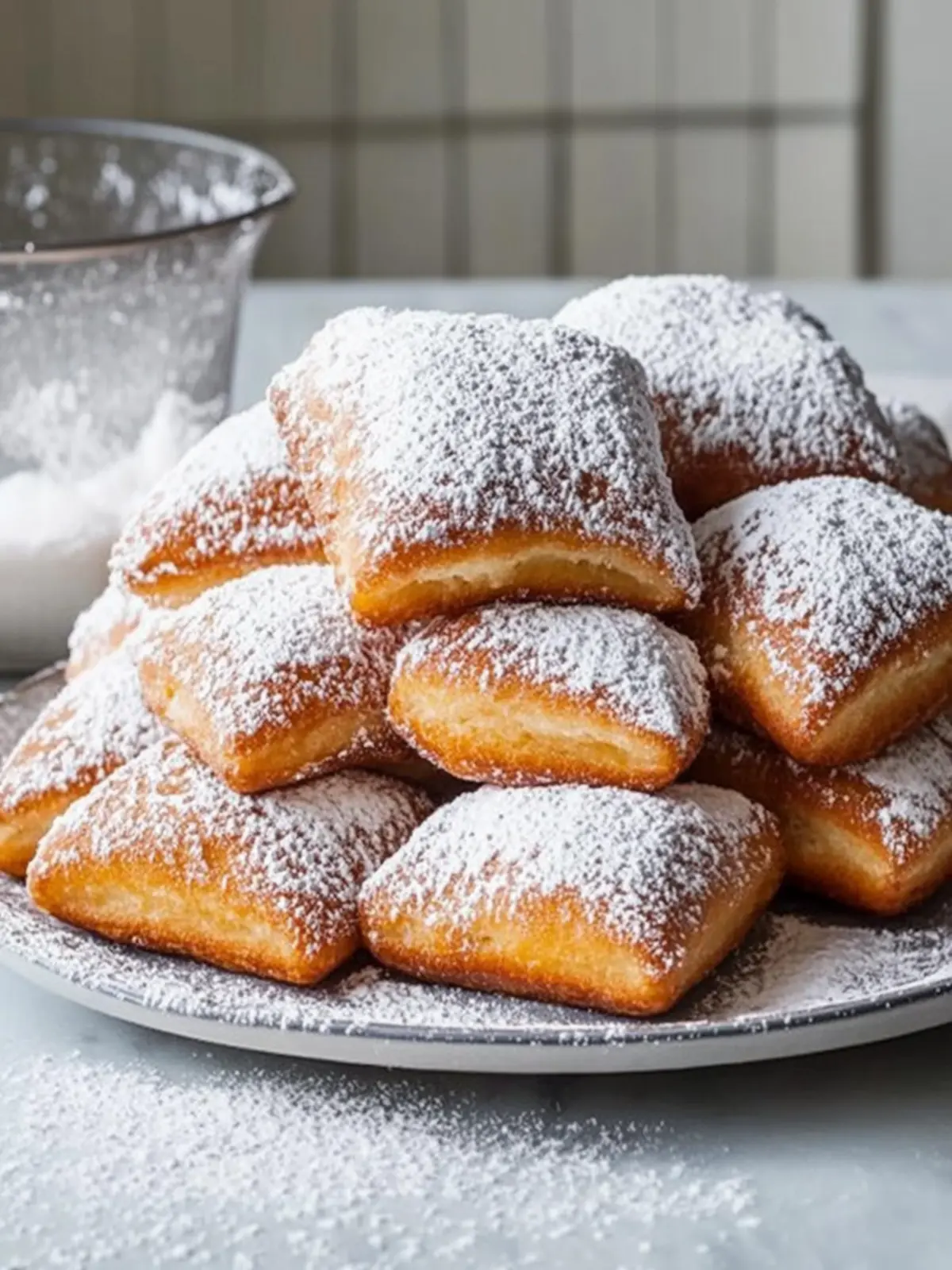
New Orleans-Style Beignets Recipe FAQs
How do I select the right ingredients for New Orleans-style beignets?
Absolutely! For the best flavor and texture, ensure your yeast is fresh and active—check the expiration date. Choose whole milk for a richer dough, and for the flour, all-purpose is ideal. Look for a fine texture in your powdered sugar to get that perfect dusting effect on the finished beignets. Lastly, when purchasing the oil, opt for peanut or vegetable oil for frying, as they have a higher smoke point that ensures a crispy exterior.
How should I store leftover beignets?
If you have some delightful beignets left, store them in an airtight container at room temperature for up to 2 days. To prolong freshness, after the first hour, cover them to help keep their moisture while still allowing some crispiness. For up to 5 days of enjoyment, you can transfer them to the fridge—just be sure to reheat them briefly to bring back that warm, fluffy experience!
Can I freeze my New Orleans-style beignets, and how do I do it?
Sure! To freeze your beignets, first let them cool completely. Then, place them on a baking sheet in a single layer and freeze until solid (about 1-2 hours). Once frozen, transfer them to a freezer-safe bag, squeezing out as much air as possible. They can be frozen for up to 3 months. When you’re ready to indulge, thaw them overnight in the fridge, then reheat in a 350°F oven for 8-10 minutes before dusting with powdered sugar.
What should I do if my beignet dough isn’t rising properly?
Oh no! If your dough isn’t rising, first check the yeast—did it foam up during activation? If not, the yeast may be old or your liquid too hot. For the perfect proofing environment, consider placing the dough in a warm, draft-free spot, possibly near a warm oven. If time permits, you can also let the dough rise in the fridge overnight, which can help it develop flavor and rise better. Remember, the dough should double in size for that fluffy texture!
Are New Orleans-style beignets safe for everyone to enjoy?
Certainly! However, be mindful of allergies—especially to gluten in flour or dairy in milk and butter. If you’re serving beignets to pets, avoid giving them any fried foods, particularly those high in sugar or fat, as they can be hard on their digestion. For dietary considerations, you can attempt a gluten-free version using gluten-free flour blends, but be aware the texture may differ slightly.
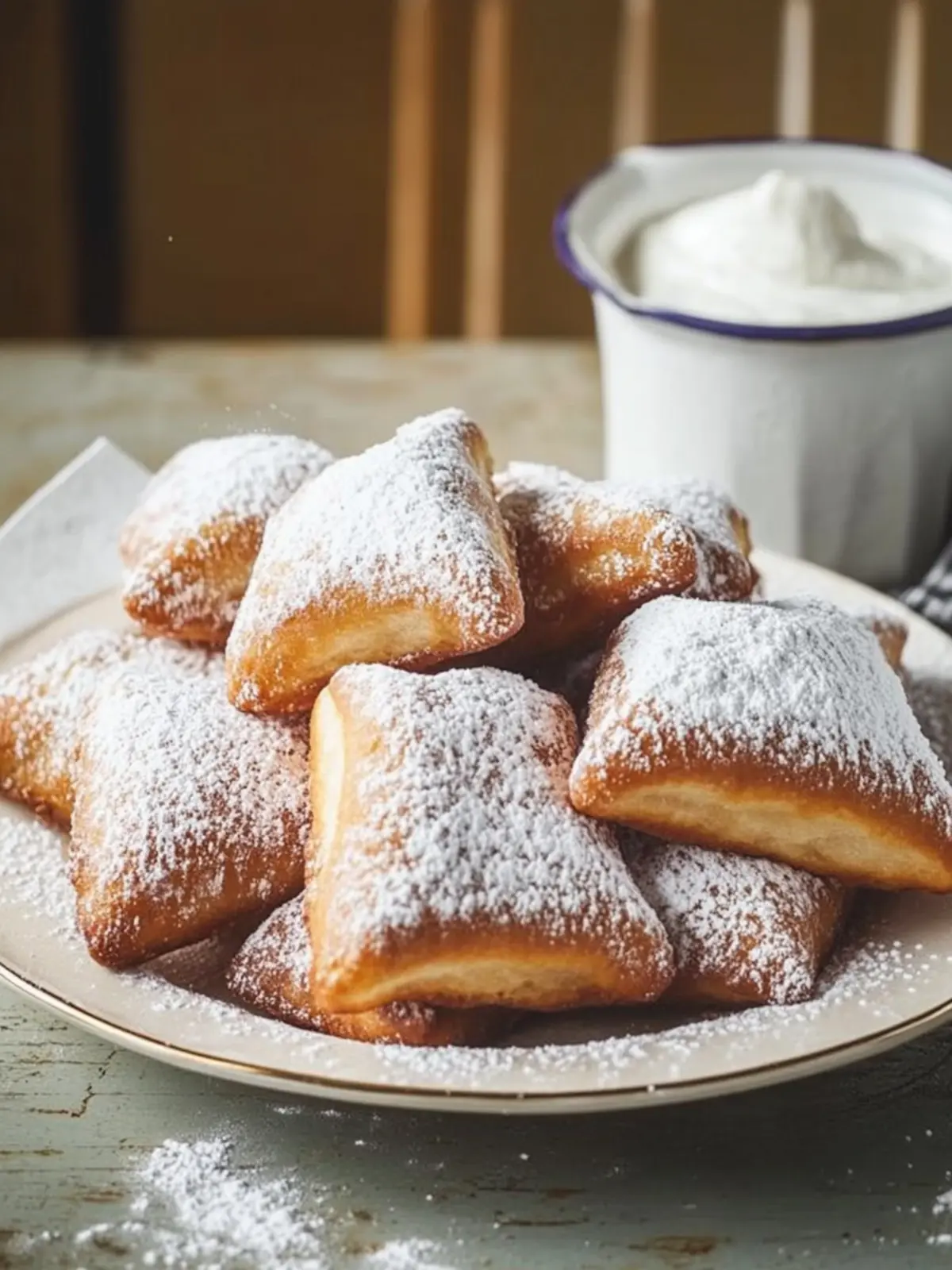
New Orleans-Style Beignets: Fry, Sprinkle, Enjoy Bliss!
Ingredients
Equipment
Method
- Warm the liquids: Place 3/4 cup water and 1/2 cup whole milk in a large microwave-safe bowl. Microwave for 1 1/2 minutes or warm on the stove until just cooler than 100°F.
- Activate the yeast: Whisk in 1/3 cup granulated sugar into the warm milk mixture. Sprinkle with 1 1/2 teaspoons active dry yeast and set aside for 15 minutes until it becomes foamy.
- Mix the dough: Add 1 large beaten egg, 1/2 teaspoon kosher salt, 2 tablespoons very soft unsalted butter, and 2 cups of the flour to the milk mixture. Beat with a wooden spoon until thick but smooth. Gradually mix in the remaining 1 1/2 cups flour until just combined.
- Knead gently: Dust a work surface with 1/4 cup more flour, then dump the dough onto it. Gently fold it over itself 3 to 4 times, shaping it into a round. Place it in an oiled bowl and cover with a clean kitchen towel.
- Let it rise: Set the bowl in a warm place to rise for 1 1/2 to 2 hours, or refrigerate for 8 to 10 hours if you want to prepare it ahead of time.
- Prepare for frying: Heat 1 quart of peanut or vegetable oil in a large Dutch oven over medium-high heat until it reaches 370ºF.
- Shape the beignets: Lightly flour a work surface again, then roll the dough out to a 17x11-inch rectangle, about 1/4-inch thick. Cut into 20 to 22 pieces, each about 2 inches square.
- Fry the beignets: Add 3 to 4 squares to the hot oil at a time. Fry for 1 to 2 minutes until golden brown, then gently flip and fry for another 1 to 2 minutes.
- Drain and repeat: Transfer the fried beignets to the prepared baking sheet and let them cool slightly.
- Dust and serve: Just before serving, generously dust the warm beignets with 1 cup of powdered sugar.