
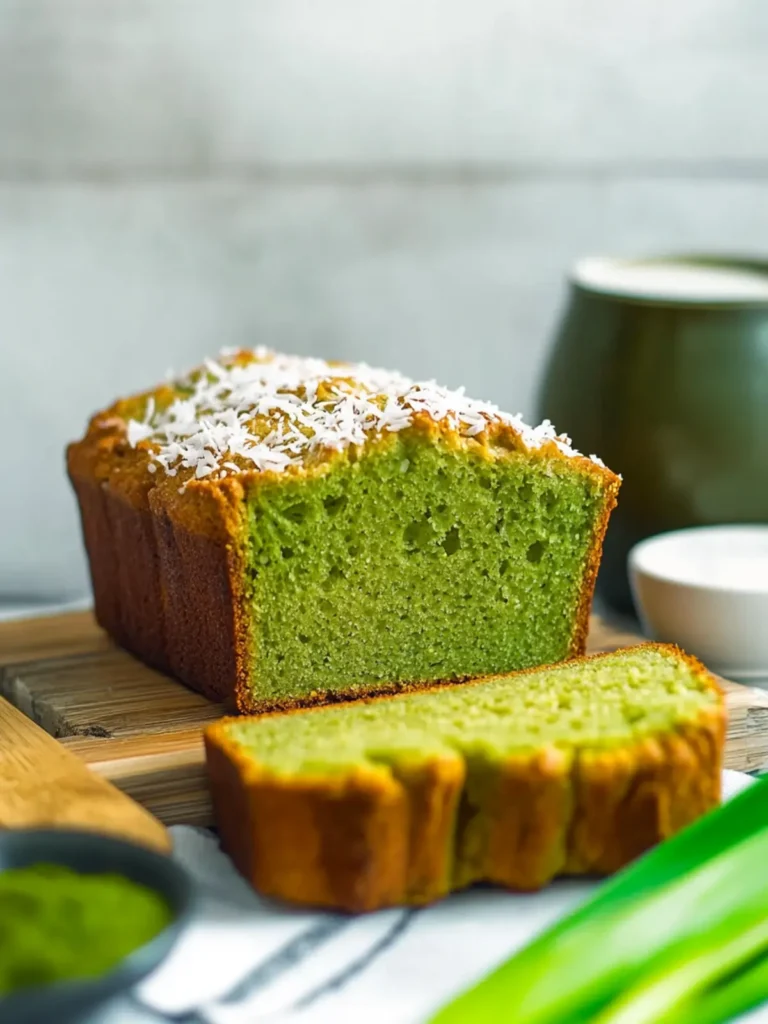
The moment I first sliced into this Pandan Coconut Bread, I was greeted by a luscious green color and an intoxicating aroma that transported me straight to a bustling Southeast Asian market. The unique combination of pandan leaves and creamy coconut milk creates a flavor experience like no other, inviting you to drift away with each tender bite. As someone who often finds solace in the kitchen, this vegan and gluten-free loaf has quickly become my go-to for not just breakfast, but any time I crave something satisfyingly sweet yet wholesome.
What sets this bread apart is its delightful moist crumb—perfectly soft and sweetened naturally with maple syrup, leaving refined sugars far behind. The floral notes from the pandan lend an extraordinary twist, making it feel both exotic and comforting. Whether you enjoy it fresh out of the oven or toasted with a smear of almond butter, this recipe promises a delightful experience that transforms your ordinary snack time into a little celebration. Join me in creating this vibrant loaf that will surely impress your friends and family, and perhaps even spark some culinary adventures of your own!

Why is Pandan Coconut Bread so special?
Unique Flavors: Infused with fragrant pandan and creamy coconut, this bread offers an exotic taste experience that’s hard to resist.
Vegan & Gluten-Free: This recipe caters to diverse dietary needs, allowing everyone to enjoy a sweet treat without compromise.
Moist Texture: The combination of full-fat coconut milk and almond flour guarantees a soft, tender crumb that melts in your mouth.
Easy to Make: With simple steps and easily accessible ingredients, you’ll have this delightful bread ready in no time.
Perfect for Any Occasion: Whether it’s breakfast, a snack, or dessert, this bread seamlessly adapts to your dining needs.
Embrace the charm of homemade delights as you explore this vibrant loaf that’s not just a treat but an experience!
Pandan Coconut Bread Ingredients
• Dive into the unique flavors of Pandan Coconut Bread!
For the Batter
- Full-fat Coconut Milk – Adds richness and moisture; avoid light coconut milk for best results.
- Maple Syrup – Provides natural sweetness; can substitute with coconut sugar but adjust liquid consistency.
- Neutral Oil (or Melted Coconut Oil) – Keeps the bread moist; either works well.
- Pandan Leaves (8 large or 1/2 tsp extract) – A key flavor ingredient for floral and nutty notes; fresh is best, but extract can suffice.
- Almond Flour – Contributes moisture and richness; be sure to use almond flour, not almond meal, for best texture.
- Buckwheat Flour – Adds structure; ensure it’s hulled buckwheat for a lighter result.
- Rice Flour – Also provides structure; helps prevent grittiness common in some gluten-free flours.
- Tapioca Starch – Binds the ingredients and creates a lighter texture; can substitute with increased rice flour.
- Coconut Sugar – Offers a subtle sweetness; can be swapped with more maple syrup if desired.
- Baking Powder and Baking Soda – Essential for helping the bread rise and achieve that fluffy texture.
How to Make Pandan Coconut Bread
-
Preheat Oven: Set your oven to 350°F (175°C) to ensure it’s hot and ready for the bread.
-
Blend Wet Ingredients: In a blender, combine full-fat coconut milk, maple syrup, and neutral oil. Slice the pandan leaves and add them to the mixture, blending for 1 minute. Let it sit for 5 minutes to fully absorb those enchanting flavors.
-
Strain Mixture: Carefully strain the blended mixture to remove any pandan pulp, ensuring a smooth batter.
-
Mix Dry Ingredients: In a medium bowl, whisk together the almond flour, buckwheat flour, rice flour, tapioca starch, coconut sugar, baking powder, and baking soda until well combined.
-
Combine Mixtures: Pour the fragrant pandan milk into the dry ingredients. Mix gently until a thick batter forms, similar in consistency to pancake batter—but keep it smooth!
-
Prepare for Baking: Line an 8×4-inch loaf pan with parchment paper for easy release. Pour the vibrant batter into the pan, smooth the top, and optionally draw a shallow line down the center for even cracking while baking.
-
Bake: Cover the pan loosely with foil and place it in the oven for 15 minutes. Remove the foil and continue to bake for an additional 25-27 minutes, or until the top is golden brown and a toothpick comes out clean.
-
Cool: Allow the bread to cool in the pan for 15 minutes before gently transferring it to a wire rack to cool completely.
Optional: Serve warm with a spread of almond butter for a mouthwatering enhancement!
Exact quantities are listed in the recipe card below.
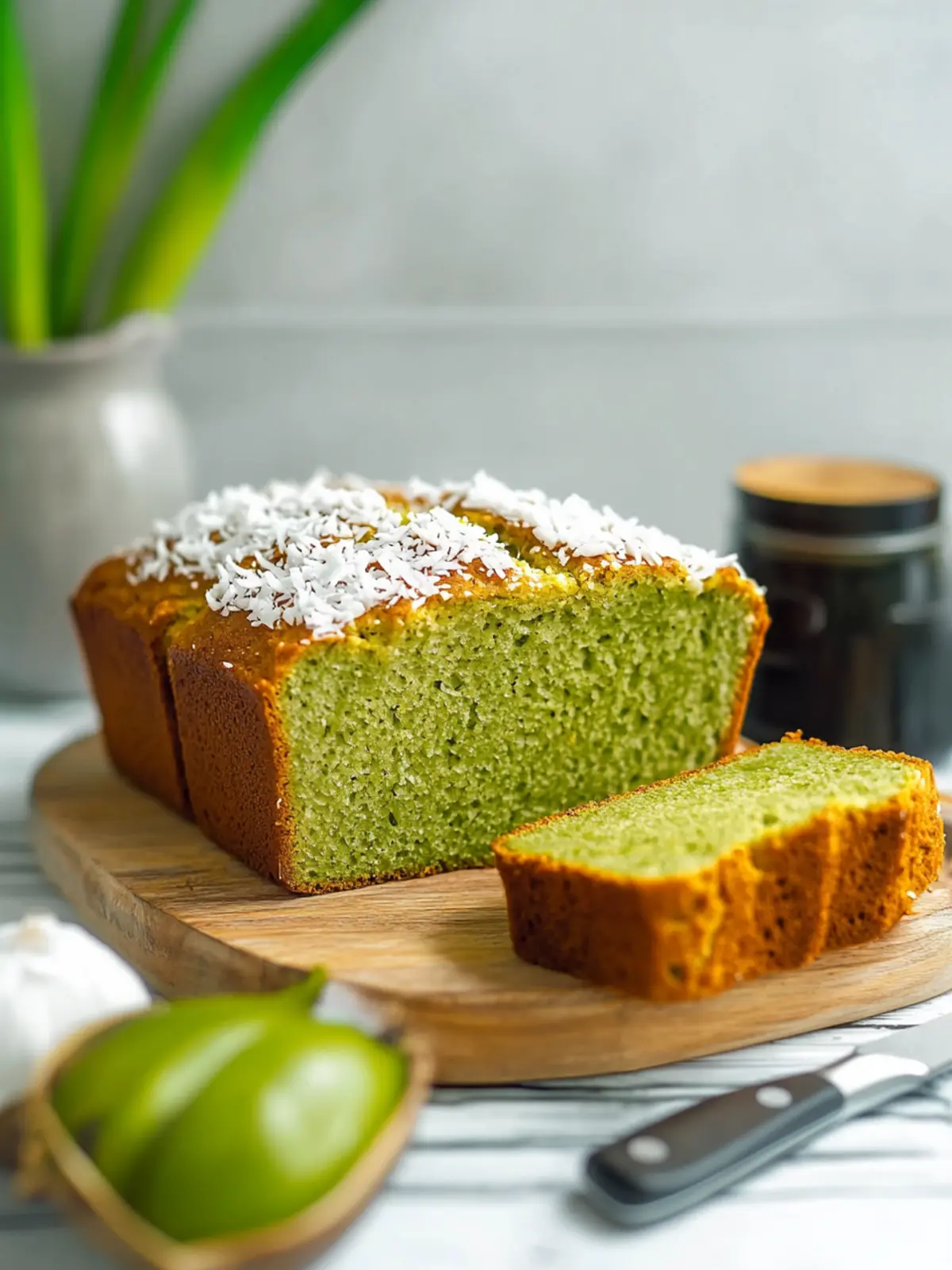
Pandan Coconut Bread Variations & Substitutions
Feel inspired to make this delightful pandan coconut bread your own with these fun and flavorful twists!
- Sorghum Flour: Swap buckwheat flour for sorghum flour in a 1:1 ratio for a sweeter, earthier taste.
- Frozen Pandan Leaves: Use frozen pandan leaves when fresh are hard to find—simply thaw before blending.
- Sweetness Adjustments: Increase sweetness by adding 2-4 tablespoons of coconut sugar if a sweeter bite calls to you.
- Nutty Addition: Fold in 1/2 cup of chopped walnuts or almonds to add crunch and a rich, nutty flavor.
- Coconut Flakes: Mix in 1/2 cup of unsweetened shredded coconut for an extra layer of coconut goodness and chewiness.
- Cocoa Powder: Add 2 tablespoons of cocoa powder to the batter for a subtle chocolate twist that’ll please chocolate lovers.
- Spicy Kick: Infuse warmth by adding a pinch of cayenne or ground ginger to the wet ingredients for a cozy heat.
- Fruit Flavors: Incorporate 1 cup of mashed ripe bananas or fresh pineapple chunks for tropical flair and extra moisture.
With these options, you can easily craft a pandan coconut bread that reflects your tastes and preferences while keeping its enchanting character!
How to Store and Freeze Pandan Coconut Bread
Room Temperature: Store the pandan coconut bread in an airtight container at room temperature for up to 3 days to keep it fresh and moist.
Fridge: If you need to extend its shelf life, place the bread in the fridge, where it can last up to a week. Ensure it’s wrapped tightly to prevent drying out.
Freezer: For longer storage, freeze slices wrapped in plastic wrap or aluminum foil, then place in a freezer bag. It will keep well for up to 2 months.
Reheating: To enjoy, thaw at room temperature or toast slices directly from the freezer for a warm, delightful treat.
Expert Tips for Pandan Coconut Bread
-
Use Fresh Pandan: Fresh pandan leaves yield the best flavor and aroma. If unavailable, pandan extract is a reasonable substitute, but adjust the amount to taste.
-
Check Consistency: Ensure the batter is smooth and thick, similar to pancake batter. Avoid overmixing to keep the bread light and fluffy.
-
Prevent Grittiness: Use the specified types of flour—almond flour, hulled buckwheat, and rice flour—to create a textured bread without unpleasant grit.
-
Monitor Baking Time: Every oven is different, so keep an eye on the bread during baking to avoid overbaking, which can result in a dry loaf.
-
Cool Thoroughly: Let the bread cool completely before slicing to maintain its soft and moist texture, enhancing your experience with each bite of Pandan Coconut Bread.
What to Serve with Pandan Coconut Bread?
This delightful, moist loaf creates the perfect foundation for an unforgettable meal.
-
Almond Butter: A creamy smear of almond butter complements the bread’s sweetness while adding a nutty richness.
-
Fresh Tropical Fruit: The vibrant flavors of fruits like mango and pineapple enhance the bread’s exotic character, balancing sweetness and acidity.
-
Coconut Chia Pudding: Creamy chia pudding, infused with coconut milk, mirrors the bread’s tropical vibe, making for a refreshing breakfast.
-
Dairy-Free Yogurt: Smooth and tangy, dairy-free yogurt adds a delightful contrast, perfect for an energizing morning treat or snack.
-
Iced Coffee: The robust flavor of iced coffee beautifully balances the sweet notes of pandan coconut, creating a satisfying afternoon pick-me-up.
-
Vegan Custard: Drizzled on top, this warm custard adds a luscious texture, turning your bread into an elegant dessert experience.
-
Coconut Ice Cream: A scoop of creamy coconut ice cream pairs wonderfully, enhancing flavors and providing a cool respite on warm days.
-
Green Tea: The subtle, grassy notes of green tea provide a soothing counterpoint to the vibrancy of the pandan coconut bread, perfect for a built-up wind-down.
Make Ahead Options
These Pandan Coconut Bread loaves are perfect for busy home cooks looking to save time! You can prepare the wet ingredient mixture (coconut milk, maple syrup, oil, and pandan leaves) up to 24 hours in advance. Simply blend the ingredients, store them in an airtight container in the refrigerator, and strain them right before combining with the dry ingredients. The dry mix of flours and leavening agents can also be pre-prepped and stored for up to 3 days. When you’re ready to bake, just mix everything together, pour it into the loaf pan, and bake as directed for a delicious treat that’s just as delightful as fresh!
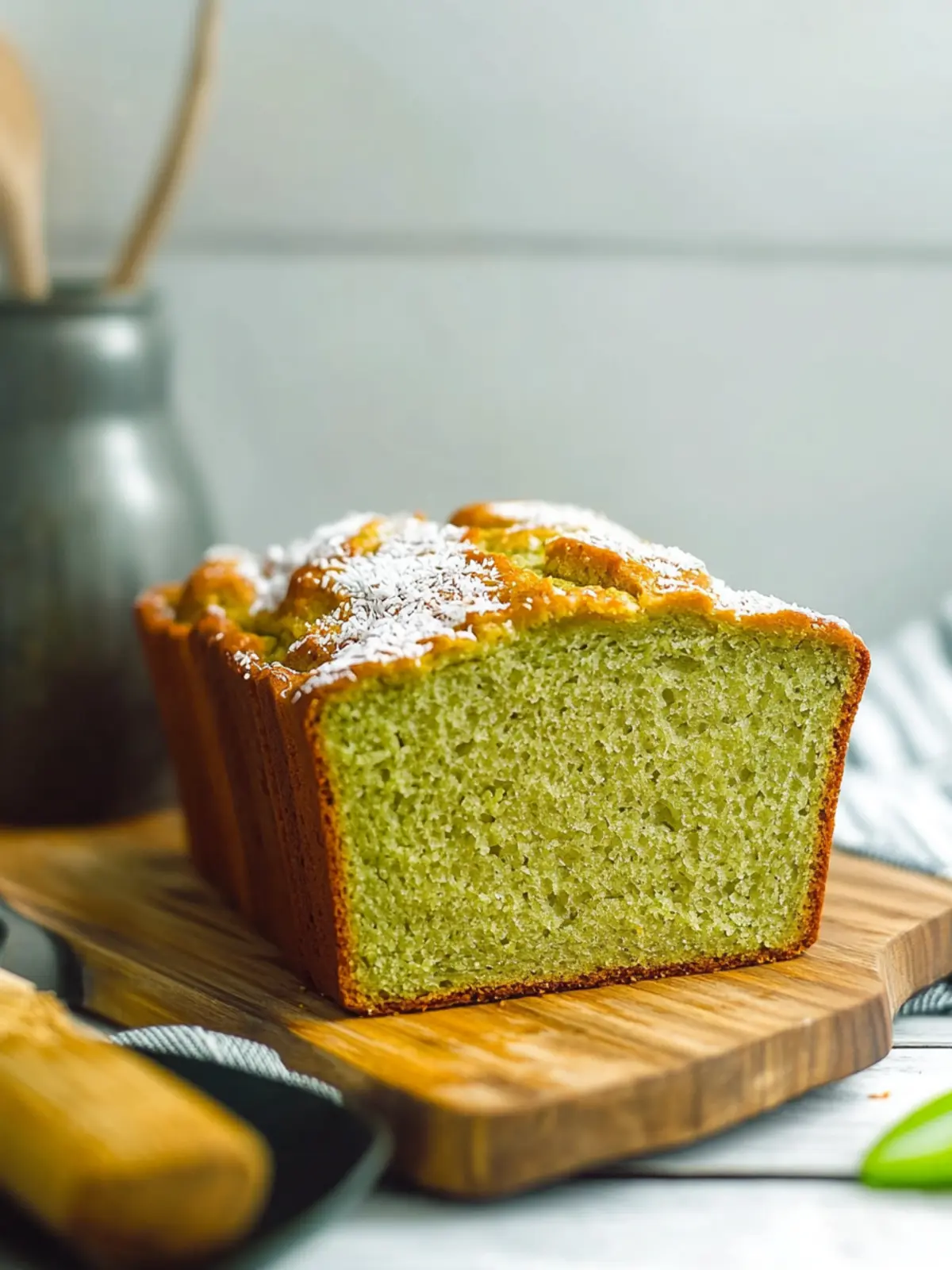
Pandan Coconut Bread Recipe FAQs
What kind of pandan leaves should I use for the best flavor?
I highly recommend using fresh pandan leaves for the best flavor profile! They offer vibrant floral and nutty notes that make a significant difference. If fresh leaves are unavailable, you can use pandan extract; just remember that the flavor might be less intense, so adjust to your taste.
How should I store leftovers of the pandan coconut bread?
To maintain freshness, store your pandan coconut bread in an airtight container at room temperature for up to 3 days. If you prefer longer storage, you can refrigerate it for up to a week, ensuring it’s wrapped tightly to prevent drying out.
Can I freeze pandan coconut bread?
Absolutely! For freezing, slice the bread and wrap each piece in plastic wrap or aluminum foil. Then, place them in a freezer bag. This way, it will stay fresh for up to 2 months. When you’re ready to enjoy, thaw at room temperature or toast slices directly from the freezer!
What do I do if my bread is too dry after baking?
If you find that your pandan coconut bread has turned out too dry, it could be due to overbaking. Always check for doneness a few minutes early, as ovens can vary. If it’s already baked, try serving it with a spread of almond butter or drizzling a little coconut milk over it to add moisture back!
Is this recipe suitable for those with nut allergies?
For those with nut allergies, you can substitute almond flour with sunflower seed flour or a gluten-free all-purpose flour blend, ensuring you check for the absence of nut contaminants in brand labeling. Just remember that the flavor and texture might slightly differ, but you’ll still have a delicious bread!
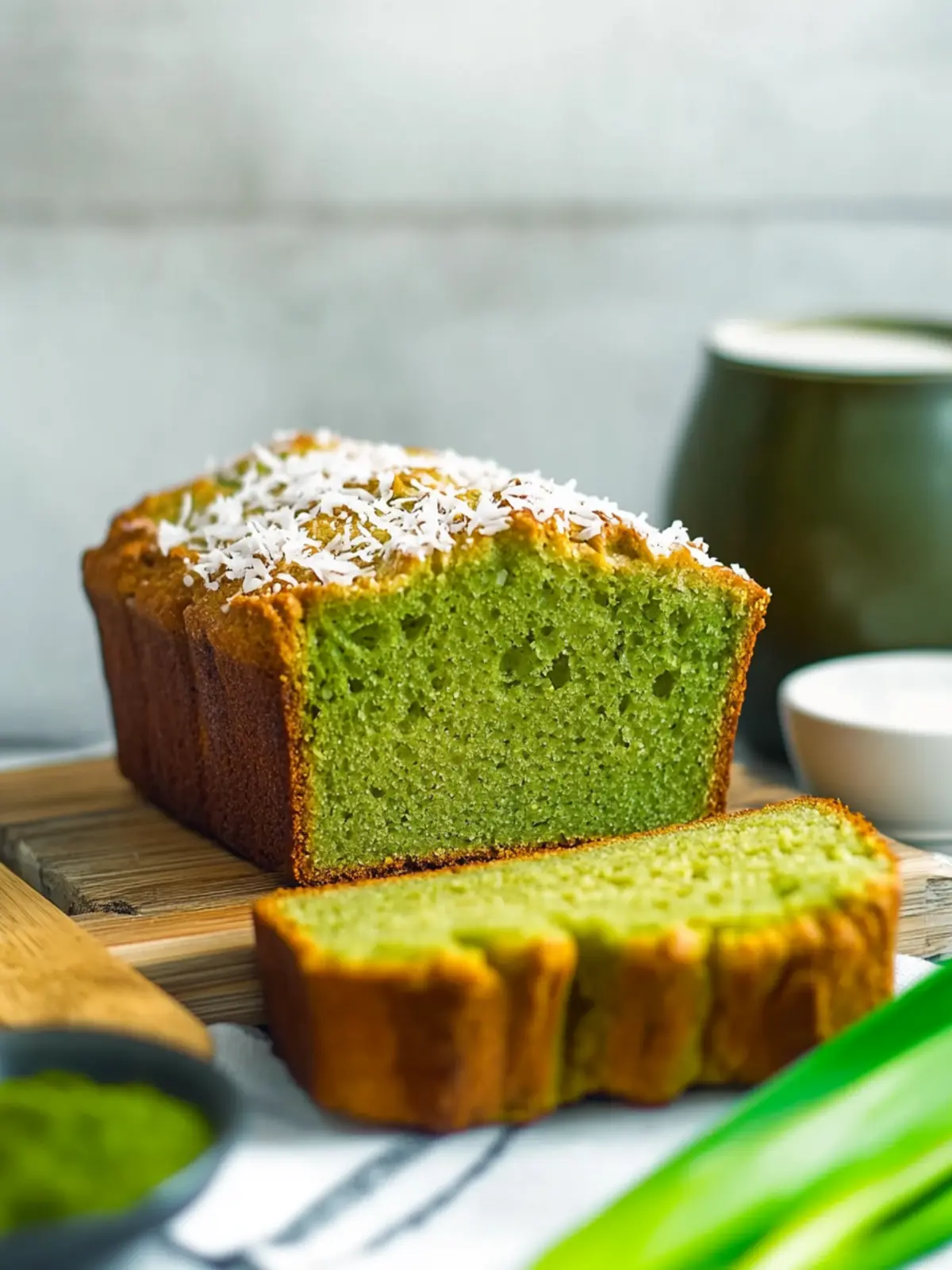
Pandan Coconut Bread: Moist, Vegan Delight You'll Adore
Ingredients
Equipment
Method
- Preheat oven to 350°F (175°C).
- Blend wet ingredients: combine coconut milk, maple syrup, and oil. Add sliced pandan leaves and blend for 1 minute. Let sit for 5 minutes.
- Strain the blended mixture to remove pandan pulp.
- Mix dry ingredients: whisk together almond flour, buckwheat flour, rice flour, tapioca starch, coconut sugar, baking powder, and baking soda.
- Combine mixtures: pour fragrant pandan milk into dry ingredients and mix gently to form a thick batter.
- Prepare for baking: line an 8x4-inch loaf pan with parchment and pour batter in, smoothing the top.
- Bake: cover loosely with foil for the first 15 minutes, then bake uncovered for an additional 25-27 minutes until golden brown.
- Cool in pan for 15 minutes, then transfer to wire rack to cool completely.
- Optional: Serve warm with almond butter.