
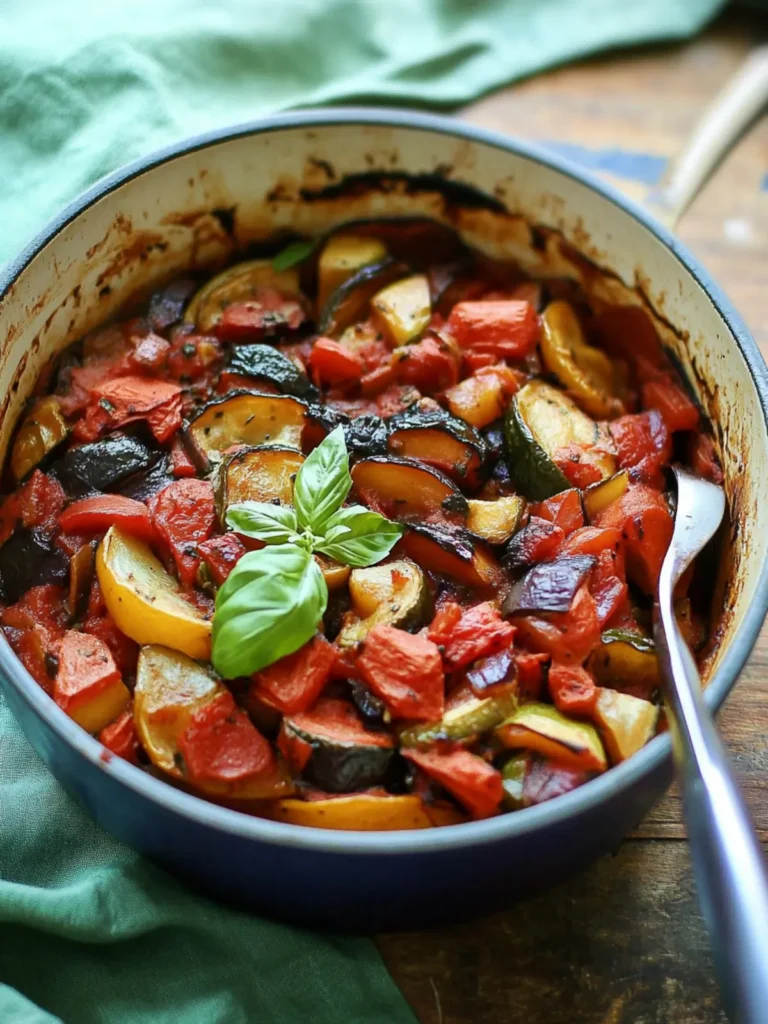
As summer fades and the harvest comes in, my kitchen transforms into a colorful oasis overflowing with fresh vegetables. The first time I laid eyes on a vibrant dish of traditional ratatouille, I was enchanted—its layers of succulent eggplant, zucchini, and bell peppers are truly something to behold. This dish, both rustic and elegant, dances with the flavors of basil and garlic, all simmered to perfection.
One chilly evening, inspired by the seasons, I decided to craft my own batch. An exhilarating aroma filled the air, transporting me to the sunlit streets of Provence with each sizzle and pop from the pan. I couldn’t help but savor the anticipation of a warm, hearty vegan dish that could effortlessly impress my friends.
This traditional ratatouille is not only easy to whip up but also incredibly versatile. Serve it over rice, with noodles, or spread on rustic bread—the possibilities are endless! Dive in with me as we celebrate the beauty of simple, homemade goodness that brings joy to our everyday meals.

Why love Traditional Ratatouille so much?
Vibrant flavors: Each bite bursts with the rich tastes of fresh vegetables, herbs, and spices, transporting you to a sunny Provençal garden.
Easy to make: This recipe requires minimal culinary skills, making it perfect for home cooks of all levels.
Versatile dish: Serve it over fluffy rice, delicious noodles, or as a delightful spread on rustic bread, catering to all preferences.
Nutritious and hearty: Packed with vegetables, this dish is not only healthy but also satisfying, perfect for those who’ve grown tired of fast food.
Crowd-pleaser: Impress family and friends with this timeless classic that suits any occasion, turning simple gatherings into memorable feasts.
Traditional Ratatouille Ingredients
• Discover the fresh flavors
For the Vegetables
- Eggplants – this hearty vegetable adds a meaty texture that makes the dish filling.
- Zucchini – bring a subtle sweetness and a lovely green pop of color.
- Summer Squash – offers a tender crunch and complements the other vegetables beautifully.
- Onions – they create a fragrant base and enhance the overall sweetness.
- Garlic – essential for depth of flavor, it infuses the dish with warmth.
- Red or Yellow Peppers – these vibrant veggies add color and a hint of sweetness to balance the flavors.
- Jalapeño Pepper – for a touch of heat, you can adjust the amount to your spice preference.
For the Aromatics
- Basil – fresh basil results in aromatic elegance; a small bunch is sufficient for flavor.
- Thyme – offers earthy notes, enhancing the overall richness of the ratatouille.
For the Tomatoes
- Ripe Tomatoes – fresh tomatoes are juicy and packed with flavor, a must for authentic traditional ratatouille.
- Canned Plum Tomatoes – make for a convenient and equally tasty alternative, ensuring a rich sauce consistency.
For the Seasoning
- Balsamic Vinegar – adds a hint of tanginess, balancing the dish perfectly.
- Kosher Salt – elevates the dish by bringing out the natural sweetness of the ingredients.
- Freshly Ground Pepper – a dash provides a pleasant, spicy contrast to the sweet vegetables.
- Lemon – for brightness, the zest and juice elevate the dish with a refreshing finish.
How to Make Traditional Ratatouille
-
Heat the Oil: In a large casserole pan or dutch oven, warm 2 tablespoons of olive oil over medium heat until shimmering. This step is crucial for sautéing the vegetables evenly and achieving that lovely golden color.
-
Sauté the Vegetables: Add the chopped eggplant, zucchini, summer squash, and peppers to the pan. Fry for about 5 to 8 minutes, doing this in batches to ensure they brown nicely rather than steam. Remove the vegetables to a bowl once they’re golden and soft.
-
Cook Onions and Garlic: In the same pan, pour in another 2 tablespoons of olive oil. Add the onions and sauté for about 5 minutes until translucent. Toss in the garlic, basil stalks, and thyme, cooking for another 5 to 7 minutes until everything is beautifully golden. Sprinkle in salt and pepper to taste.
-
Combine the Ingredients: Gently fold the cooked vegetables back into the pan. Add the fresh tomatoes, canned plum tomatoes, balsamic vinegar, and a touch more salt and pepper. Stir carefully to combine all the flavors.
-
Simmer to Perfection: Cover the pan and let the mixture simmer over low heat for 40 minutes, stirring occasionally. This allows the flavors to meld together and the mixture to reduce until it’s thick and sticky.
-
Finish with Lemon: Before serving, adjust your seasonings. Grate the zest of half a lemon and squeeze the juice over the ratatouille, along with the remaining 2 tablespoons of olive oil. This adds a refreshing zing!
-
Serve and Enjoy: Scoop the ratatouille over rice or noodles, or slather it on crusty rustic bread. Each bite is a celebration of homemade goodness!
Optional: Top with freshly chopped basil for a burst of flavor.
Exact quantities are listed in the recipe card below.
Make Ahead Options
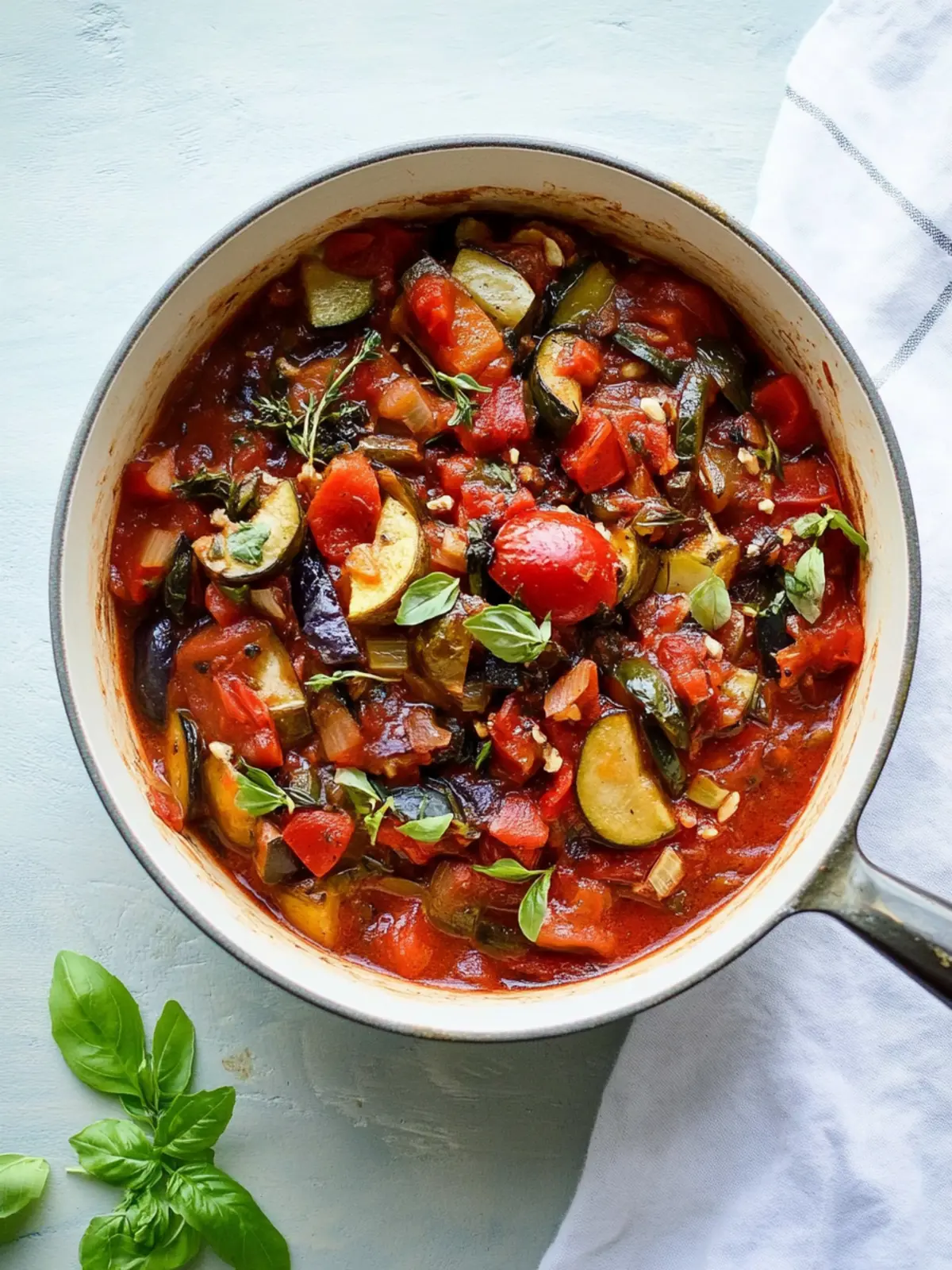
Traditional Ratatouille is a delightful dish that’s perfect for meal prep, making busy weeknights a breeze! You can chop and sauté the vegetables up to 24 hours in advance, refrigerating them in an airtight container to preserve their flavors and textures. Additionally, the ratatouille itself can be fully cooked up to 3 days ahead; just let it cool completely before transferring it to a container. When ready to enjoy, gently reheat it on the stovetop or in the microwave—this dish is just as delicious the second time around! Finish it with fresh lemon juice and a drizzle of olive oil just before serving for that vibrant kick. With these make-ahead options, you’ll have a hearty, homemade meal ready when you need it most.
Expert Tips for Traditional Ratatouille
-
Batch Cooking: Sauté vegetables in batches to ensure they brown nicely instead of steaming, which will enhance the flavors of traditional ratatouille.
-
Fresh Ingredients: Use ripe, seasonal tomatoes for the best flavor. If using canned, opt for high-quality plum tomatoes to maintain richness.
-
Wait for Simmering: Let the ratatouille simmer for the full 40 minutes; this allows all the flavors to meld, creating that delicious, sticky consistency.
-
Balance Flavors: Adjust the seasoning at the end with lemon juice and zest for a bright finish. Don’t skip this step; it’s essential!
-
Creative Serving: Experiment with different serving options—over rice, noodles, or as a bread spread—making it a versatile dish to enjoy in various ways.
How to Store and Freeze Traditional Ratatouille
Fridge: Store leftover ratatouille in an airtight container in the refrigerator for up to 3 days. This will maintain its flavorful profile while keeping it fresh.
Freezer: For longer storage, freeze ratatouille in freezer-safe containers for up to 3 months. Make sure to leave some space for expansion as it freezes.
Reheating: When ready to enjoy, thaw in the fridge overnight and reheat gently on the stove over low heat until warmed through, stirring occasionally for even heating.
Serving Freshness: Reheat only the portion you plan to serve to avoid repeated temperature changes that can affect the flavor and texture of your delicious traditional ratatouille.
Traditional Ratatouille Variations
Feel free to personalize this delightful dish with fun twists and substitutions that suit your taste!
-
Spicy Kick: Add diced chili peppers or a splash of hot sauce for an extra layer of heat that’ll warm your soul.
-
Herb Infusion: Swap basil for fresh oregano or parsley for a different aromatic experience. Each herb brings a unique twist that highlights the vegetables beautifully.
-
Cheesy Goodness: Sprinkle grated Parmesan or goat cheese over the top just before serving for a creamy layer that complements the rustic flavors perfectly.
-
Protein Boost: Toss in cooked chickpeas or lentils for a heartier, protein-packed version. This addition ensures that even meat lovers will be satisfied!
-
Roasted Veggies: Instead of sautéing, consider roasting your vegetables in the oven for a deep, caramelized flavor that adds a delightful texture.
-
Smoky Flavor: Incorporate smoked paprika or chipotle powder for a subtle, smoky essence that elevates the traditional ratatouille into something extraordinary.
-
Zesty Citrus: Use lime juice instead of lemon to introduce a vibrant tang that’s refreshing and brightens up the overall dish.
-
Nutty Crunch: Top the final dish with toasted pine nuts or slivered almonds for an added crunch that contrasts beautifully with the tender vegetables.
What to Serve with Traditional Ratatouille?
As the vibrant flavors of this delightful dish fill your kitchen, consider complementing it with delicious sides that enhance its earthy taste.
-
Creamy Polenta: This smooth and buttery side adds a rich texture, making each bite of ratatouille even more comforting.
-
Garlic Bread: Crusty and warm, garlic bread is perfect for scooping up the ratatouille, creating an irresistible combination of flavors.
-
Light Salad: A fresh arugula salad drizzled with lemon vinaigrette provides a crisp contrast, cleansing the palate after each hearty bite.
-
Quinoa: Nutty and fluffy, quinoa packs protein and a wholesome texture that pairs beautifully with the tender vegetables.
-
Roasted Vegetables: Adding more roasted carrots and Brussels sprouts brings out the charred sweetness and complements the dish’s rustic nature.
-
Crusty Baguette: Serve it alongside sliced baguette to soak up each decadent spoonful of ratatouille, enriching your dining experience.
-
Sparkling Water: Refreshing and effervescent, sparkling water offers a delightful counterpoint to the complexity of flavors in this dish.
-
Fruit Tart: For dessert, a light fruit tart makes a sweet ending to an enchanting meal, echoing the fresh fruit notes in the ratatouille.
Traditional Ratatouille Recipe FAQs
How do I choose ripe vegetables for traditional ratatouille?
Absolutely! For the best flavor, look for firm eggplants with a shiny skin, avoiding any with dark spots or blemishes. Choose zucchini and summer squash that are smaller and have a bright, unblemished skin. For bell peppers, vibrant colors indicate freshness, while ripe tomatoes should be slightly soft to the touch and have a fragrant aroma. When picking herbs, choose basil and thyme that are bright green and fragrant, indicating their freshness.
What’s the best way to store traditional ratatouille?
Very! You can store leftover ratatouille in an airtight container in the refrigerator for up to 3 days. Just make sure it cools completely before sealing. If you want to keep it longer, consider freezing it in freezer-safe containers for up to 3 months. Leave a little space at the top of the container for expansion, as the ratatouille may expand when frozen.
Can I freeze traditional ratatouille?
Certainly! To freeze, first let the ratatouille cool completely. Then, pour it into freezer-safe containers, ensuring you leave at least half an inch at the top for expansion. Alternatively, you can freeze it in resealable plastic bags, laying them flat for efficient storage. When you’re ready to enjoy it again, just thaw it in the refrigerator overnight and reheat gently on the stove over low heat.
What should I do if my ratatouille turns out too watery?
If your ratatouille is a bit runny, don’t worry! Simply remove the lid and simmer it uncovered on low heat for an additional 10-15 minutes. This will allow excess moisture to evaporate, thickening the dish into that wonderful, sticky consistency. You can also try adding a tablespoon of tomato paste to help absorb some liquid, but be cautious as it might alter the flavor slightly.
Are there any dietary concerns I should consider with traditional ratatouille?
Very! Traditional ratatouille is naturally vegan and gluten-free, making it a great option for many dietary preferences. If you’re serving it to friends or family with allergies, be sure to double-check the ingredients, especially with canned tomatoes, as some brands may contain additives. Always use fresh herbs and vegetables to minimize the risk of allergies and ensure a wholesome dish everyone can enjoy.
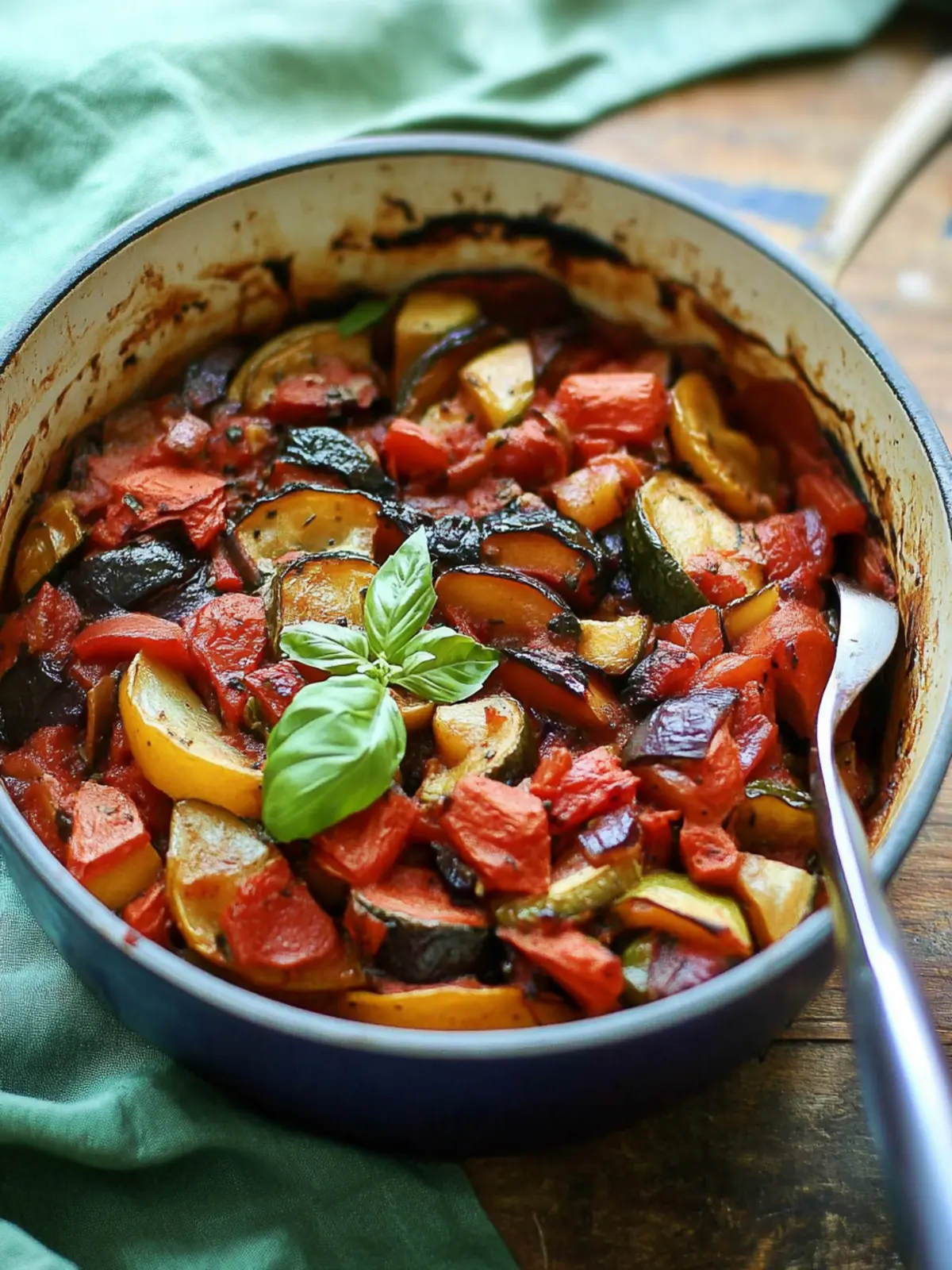
Savor the Comfort of Traditional Ratatouille at Home
Ingredients
Equipment
Method
- In a large casserole pan or dutch oven, warm 2 tablespoons of olive oil over medium heat until shimmering.
- Add the chopped eggplant, zucchini, summer squash, and peppers to the pan. Fry for about 5 to 8 minutes, doing this in batches.
- In the same pan, pour in another 2 tablespoons of olive oil. Add the onions and sauté for about 5 minutes until translucent.
- Gently fold the cooked vegetables back into the pan. Add the fresh tomatoes, canned plum tomatoes, balsamic vinegar, and a touch more salt and pepper.
- Cover the pan and let the mixture simmer over low heat for 40 minutes, stirring occasionally.
- Before serving, adjust your seasonings. Grate the zest of half a lemon and squeeze the juice over the ratatouille.
- Scoop the ratatouille over rice or noodles, or slather it on crusty rustic bread.