
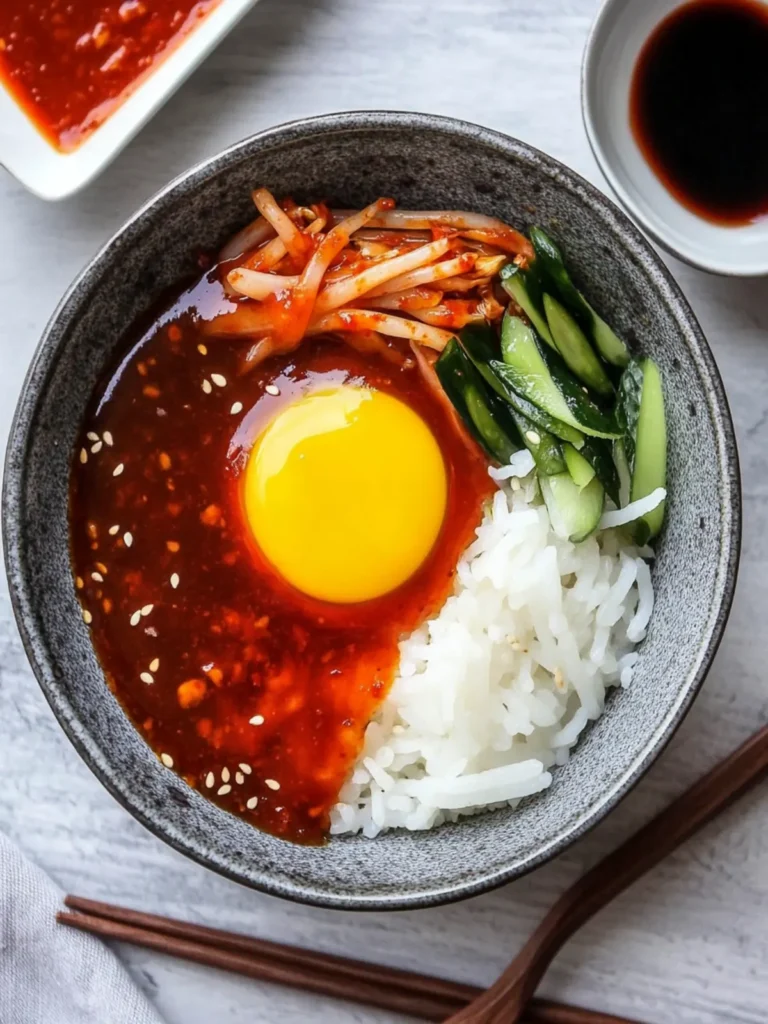
The first time I drizzled homemade Bibimbap sauce over a colorful bowl of veggies and rice, I felt like I had unlocked a new culinary superpower. The balance of spice, sweetness, and umami from gochujang combined with aromatic garlic and toasted sesame oil instantly transformed my ordinary meal into something extraordinary.
If you’re tired of reaching for fast food or want to spice up your weeknight dinners, this sauce is your secret weapon. With just a handful of ingredients and a quick stir, you can create a flavor-packed gochujang sauce that complements not only bibimbap but also grilled meats, stir-fried dishes, or even as a dip for fresh veggies.
So, let’s dive into this easy and versatile recipe, which takes mere minutes to whip up, and discover how a simple sauce can elevate your homemade meals from monotonous to memorable. Whether you’re a seasoned chef or just venturing into the kitchen, this is a recipe that promises to please and impress.

Why Choose This Bibimbap Sauce Recipe?
Simple, it’s just a quick mix of ingredients that anyone can handle. Flavor-packed, with the perfect balance of spice and sweetness, it elevates any meal. Versatile enough to be a dip or a marinade. Nutrition-friendly, with low calories and no guilt. Crowd-pleaser, it impresses friends and family alike. For more fantastic homemade sauce ideas, check out my easy dipping sauces!
Bibimbap Sauce Ingredients
• Let’s gather the essentials for this delightful Bibimbap sauce!
For the Sauce
- Gochujang – a key ingredient that brings that spicy, savory kick to your Bibimbap sauce.
- Garlic, minced – enhances the flavor profile with its aromatic zest.
- Toasted sesame oil – adds a nutty richness that elevates the sauce.
- Honey – balances the heat with a touch of natural sweetness; feel free to substitute with maple syrup for a vegan option.
- Sugar – enhances the sweetness; adjust according to your taste preferences.
- Rice vinegar – introduces a tangy brightness that harmonizes all the flavors.
- Salt (optional) – use sparingly to enhance overall flavor without overpowering the dish.
With these ingredients, you’ll create a Bibimbap sauce that’s not only versatile but also a delightful addition to all your favorite meals!
How to Make Bibimbap Sauce
-
Combine all the ingredients in a mixing bowl. Start with the 1/4 cup gochujang, and add the minced garlic, toasted sesame oil, honey, sugar, rice vinegar, and optional salt for an extra flavor boost.
-
Stir well with a whisk or spoon until the mixture is smooth and all ingredients are thoroughly blended. This should take just a minute or two. The sauce should be a vibrant red color with a glossy finish.
-
Taste your Bibimbap sauce! Adjust the sweetness or seasoning if needed, adding more honey or salt to suit your preference. Remember, it’s all about achieving that perfect balance.
-
Serve immediately or store it in an airtight container in the refrigerator. This sauce can last up to a week, so feel free to make it ahead of time for meal prep.
Optional: Drizzle some extra sesame oil on top before serving for added richness.
Exact quantities are listed in the recipe card below.
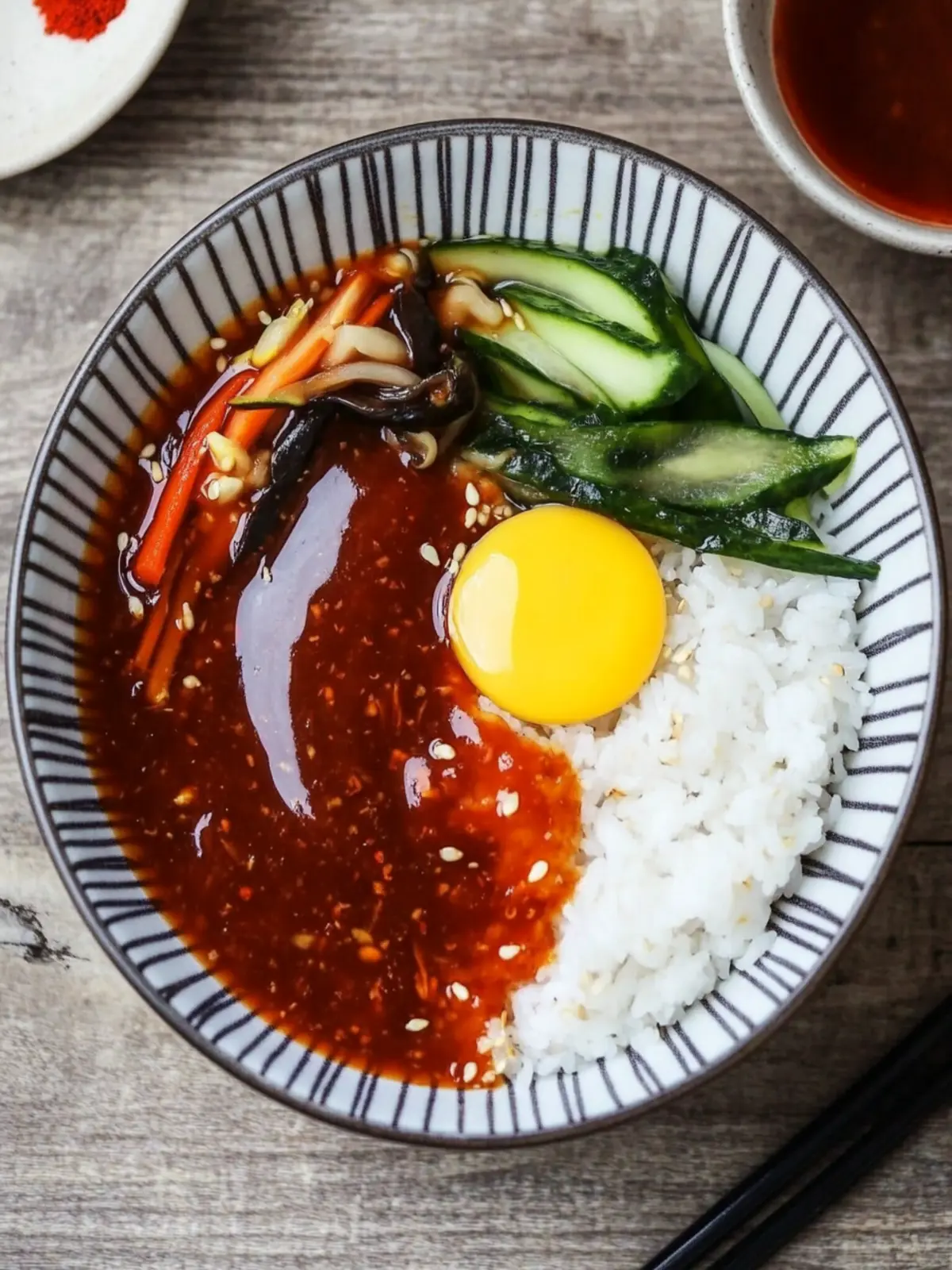
Bibimbap Sauce Variations
Get ready to unleash your creativity in the kitchen as you customize your bibimbap sauce!
-
Spicy Kick: Add a teaspoon of chili flakes or a drizzle of sriracha to amp up the heat and create a fiery flavor explosion.
-
Tangy Twist: Swap rice vinegar for apple cider vinegar for a fruitier note that brightens the overall taste.
-
Sesame Crunch: Stir in toasted sesame seeds for added texture and nutty flavor, enhancing the sauce’s depth even further.
-
Vegan Option: Replace honey with maple syrup for a completely plant-based bibimbap sauce that still delivers on sweetness.
-
Sweet & Sour: Add a splash of pineapple juice for a tropical twist that balances the heat with a refreshing sweetness.
-
Umami Boost: Incorporate a teaspoon of soy sauce or tamari for a savory twist, giving your sauce a rich, complex flavor.
-
Creamy Addition: Blend in a tablespoon of tahini for a creamy consistency and nutty flavor that adds an unexpected richness.
-
Citrusy Zest: A squeeze of fresh lime juice will brighten the sauce, adding a zesty pop that complements your bibimbap beautifully.
What to Serve with Gochujang Sauce?
Transform your meals by pairing this alluring sauce with a variety of textures and flavors that will elevate your culinary experience.
- Steamed White Rice: The subtle flavor of steamed rice acts as a perfect canvas for the boldness of gochujang, allowing its unique taste to shine.
- Grilled Chicken Thighs: Juicy, smoky chicken paired with the peppery sauce creates a delightful contrast and a flavor explosion with every bite.
- Roasted Vegetables: Crisp-tender veggies like bell peppers and zucchini soaked in the tangy sauce make for a fresh, vibrant side that complements any dish beautifully.
- Korean Tacos: Use this sauce to take your tacos to the next level, marrying traditional Mexican flavors with a spicy Korean twist that will impress your guests.
- Seafood Stir-Fry: Whether you’re using shrimp or fish, the gochujang adds depth and heat to seafood, enhancing the natural sweetness of the catch.
- Fresh Veggie Dip: Turn snack time into a gourmet experience by serving gochujang sauce as a zesty dip alongside crisp cucumbers, carrots, and bell pepper strips.
- Egg Fried Rice: Drizzling the sauce over a hearty egg fried rice transforms a simple dish into a flavor-packed hero, combining textures that please.
- Soba Noodle Salad: The vibrant sauce pairs beautifully with chilled soba noodles, adding a delightful kick to the refreshing flavors of cucumber and scallions.
- Sesame Seed Cookies: For a surprising twist, try pairing with sweet sesame cookies; the warm, nutty flavors meld nicely with the spiciness of the sauce.
Make Ahead Options
These Bibimbap Sauce preparations are perfect for busy weeknights when you need to save time! You can easily mix up the sauce and store it in an airtight container in the refrigerator for up to 5 days. To prepare ahead, simply combine all the ingredients (gochujang, garlic, sesame oil, honey, sugar, rice vinegar, and optional salt) as directed, then refrigerate. This allows the flavors to meld beautifully. Just give it a good stir before serving to keep it fresh and flavorful. When you’re ready to enjoy, drizzle it over your favorite dishes or use it as a dip for fresh veggies, bringing that delicious homemade touch to your meals without the hassle!
Expert Tips for Gochujang Sauce
- Mixing Method: Stir your ingredients well until smooth. Avoid clumps in your Bibimbap sauce by whisking vigorously for a perfect consistency.
- Taste Test: Always taste and adjust! If the sauce is too spicy, add a little more honey or sugar for balance, ensuring it meets your flavor preference.
- Storage Solution: Store in an airtight container in the fridge. This homemade Bibimbap sauce can last up to a week, making it great for meal prep!
- Serving Suggestions: Try drizzling it over grilled meats or using it as a dip for fresh veggies. The versatility makes this gochujang sauce a must-have!
- Adjusting Spice Level: If you’re sensitive to spice, start with less gochujang and gradually add more until you reach your desired heat level.
How to Store and Freeze Bibimbap Sauce
Fridge: Store your homemade Bibimbap sauce in an airtight container for up to 1 week. Keep it refrigerated to maintain freshness and flavor.
Freezer: For long-term storage, pour the sauce into freezer-safe containers or ice cube trays. It can be frozen for up to 3 months.
Thawing: To use frozen Bibimbap sauce, thaw it overnight in the fridge or run it under warm water for quicker results.
Reheating: Gently reheat in a saucepan over low heat, stirring until warmed through. Avoid overheating to preserve the sauce’s texture and flavor.
Gochujang Sauce Recipe FAQs
What is the best way to select ripe gochujang?
Absolutely! When choosing gochujang, look for a brand that has a bright red color and is free from any dark spots or signs of damage on the packaging. Opt for a product with a shorter ingredient list for fewer additives. If possible, check the expiration date to ensure freshness; it should be at least a few months away to guarantee the best flavor.
How should I store my Gochujang Sauce?
Very! To ensure your Gochujang sauce stays fresh, store it in an airtight container in the refrigerator. This homemade sauce can last up to 1 week while retaining its flavors. If you notice any separation, just give it a good stir before using!
Can I freeze Gochujang Sauce for longer storage?
Absolutely! For long-term storage, you can freeze your Gochujang sauce. Pour it into ice cube trays (perfect for single servings) or freezer-safe containers and freeze for up to 3 months. Once frozen, simply pop out the cubes and store them in a freezer bag for easy access. To use, thaw overnight in the fridge or run the container under warm water for a quick defrost.
What should I do if my Gochujang Sauce is too spicy?
If you find your sauce is packing too much heat, don’t worry! Start by adding a little more honey or sugar to balance the flavor. Mix in small increments until you reach the desired level of sweetness and spice. For a creamier texture, you can also mix in a spoonful of yogurt or mayonnaise for a delightful twist.
Can I use Gochujang Sauce for my pets?
Not at all! Gochujang sauce contains ingredients like honey and can be spicy, which is not suitable for pets. Always keep your pets away from sauces seasoned with garlic, sugar, and other spices. If you’re looking to treat your furry friend, look for pet-safe recipes or treats designed specifically for them!
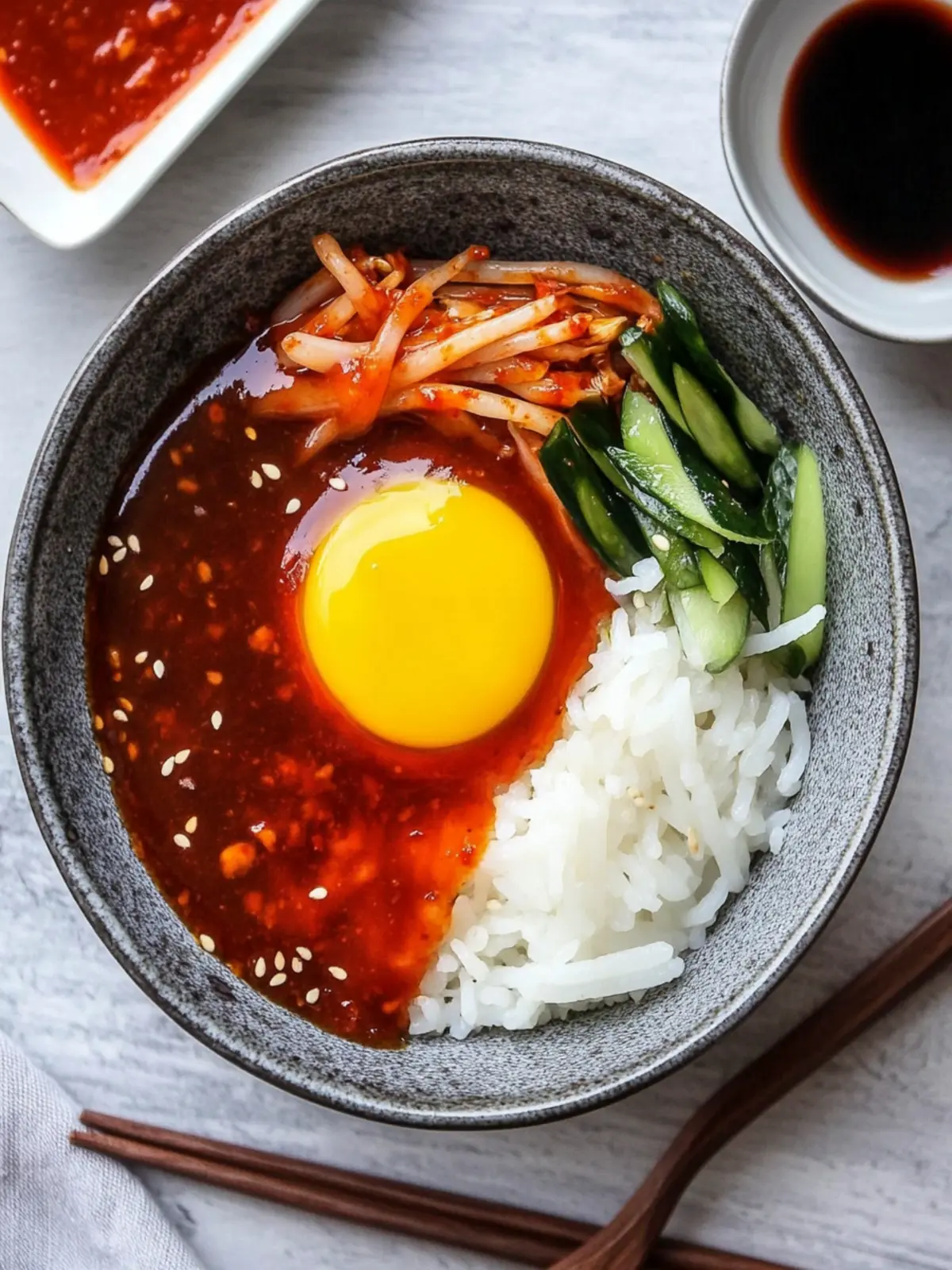
Ultimate Bibimbap Sauce That Elevates Any Bowl of Goodness
Ingredients
Equipment
Method
- Combine all the ingredients in a mixing bowl.
- Stir well with a whisk or spoon until the mixture is smooth.
- Taste your Bibimbap sauce! Adjust sweetness or seasoning if needed.
- Serve immediately or store in an airtight container in the refrigerator.