
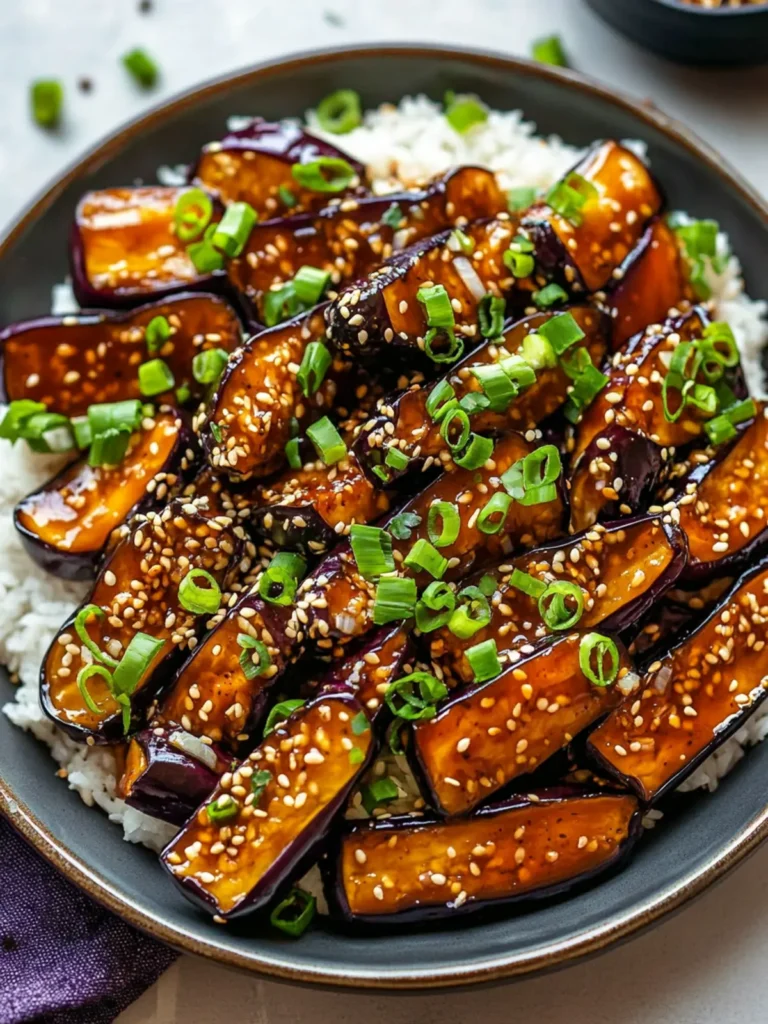
There’s something incredibly satisfying about transforming simple ingredients into a dish that bursts with flavor. When I first experimented with Gochujang Eggplant, I was astounded by how a few pantry staples could create such a delightful meal. The creamy texture of sautéed eggplant wrapped in the spicy, tangy embrace of gochujang sauce is a culinary hug in a bowl, both comforting and full of excitement.
Whether you’re looking for a quick weeknight dinner or a vibrant addition to your next gathering, this recipe checks all the boxes. In less than 30 minutes, you can whip up this vegan dish that will have everyone asking for seconds. Plus, it’s gluten-free! So grab your skillet and let’s dive into making a plate that’s not just a feast for the taste buds, but for the eyes as well. It’s time to spice up your dinner routine!

Why is Gochujang Eggplant a must-try?
Flavor Explosion: The bold combination of spicy, tangy, and slightly sweet notes creates a taste sensation that will leave you craving more.
Quick and Easy: Ready in under 30 minutes, this dish is perfect for busy weeknights or when unexpected guests drop by.
Vegan and Gluten-Free: Enjoy a delicious meal that’s accessible to various dietary preferences, making it a crowd-pleaser for all.
Versatile Base: Pair it with steamed rice or noodles to soak up the flavorful sauce and transform it into a complete meal.
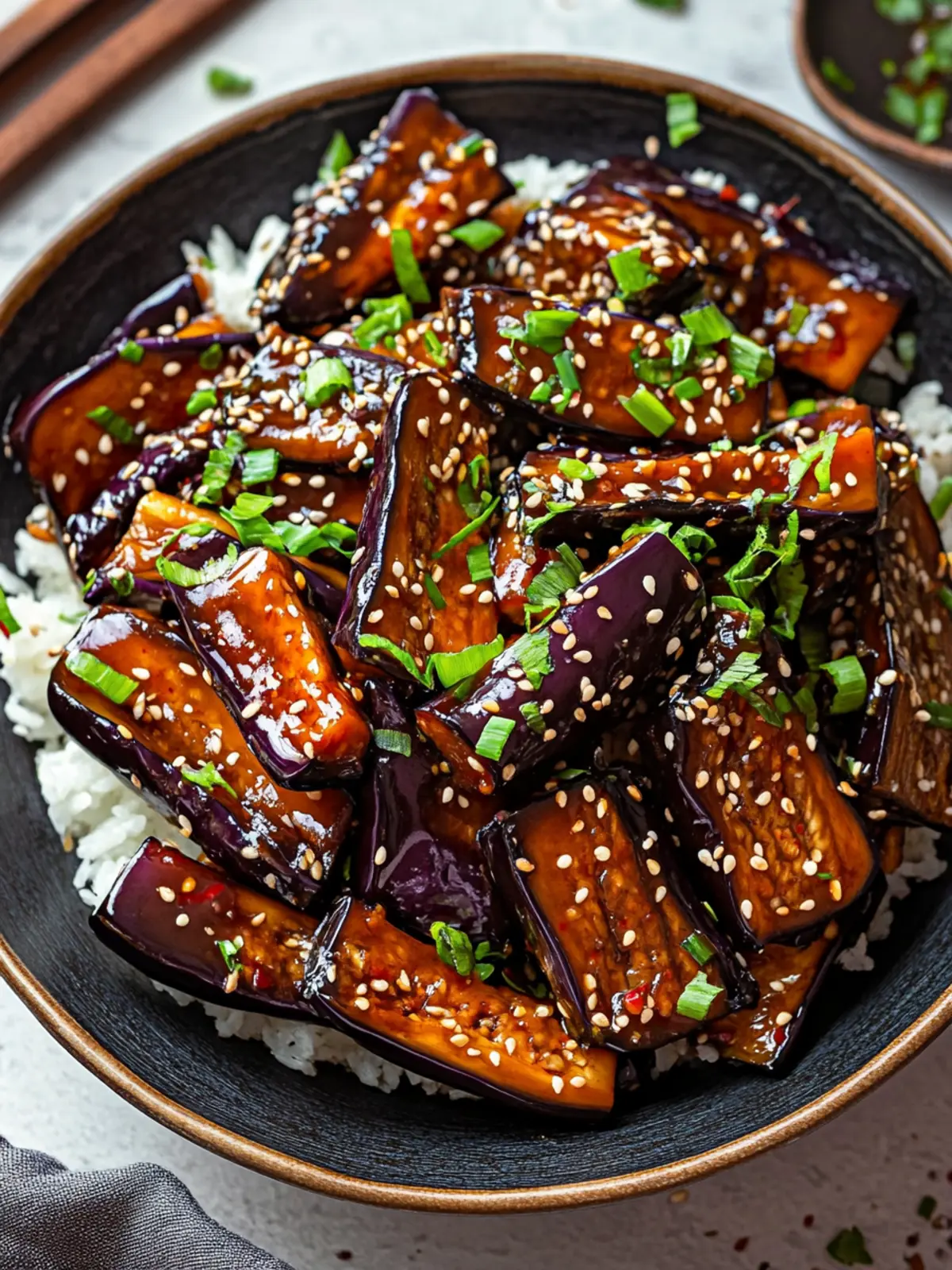
Impressive Presentation: With its glossy finish and vibrant colors, Gochujang Eggplant is not just tasty—it’s a feast for the eyes too!
Gochujang Eggplant Ingredients
For the Eggplant
• Medium Eggplants – Adds a creamy texture and absorbs the delicious gochujang sauce beautifully.
• Vegetable Oil – Use a neutral oil for sautéing; it allows the flavors to shine without overpowering them.
For the Sauce
• Gochujang – Provides the signature spicy, fermented flavor; be sure to adjust the amount based on your spice preference.
• Soy Sauce – Adds savory depth and saltiness to enhance the overall taste profile.
• Rice Vinegar – Introduces a zesty balance that cuts through the richness of the eggplant.
• Honey or Maple Syrup – Brings a touch of sweetness to counteract the heat from the gochujang.
• Sesame Oil – Infuses a nutty aroma and richness that elevates the dish.
For the Aromatics
• Garlic – Fresh, minced garlic adds aromatic depth; it’s a flavor powerhouse in this dish.
• Ginger – Adds warmth and complexity; fresh ginger works best for that zesty kick.
For Garnishing
• Green Onions – Adds a fresh crunch; reserve some for a vibrant garnish.
• Sesame Seeds – Sprinkling these provides a delightful crunch and nutty flavor to the finished dish.
For Seasoning
• Salt – Enhances all flavors and adjusts to your personal taste, making every bite delightful.
Dive into the vibrant world of Gochujang Eggplant with these ingredients, and you’ll be on your way to a dish that’s as beautiful as it is delicious!
How to Make Gochujang Eggplant
-
Mix Sauce: In a small bowl, whisk together gochujang, soy sauce, rice vinegar, honey (or maple syrup), and sesame oil. Set aside for a rich, spicy sauce that ties everything together.
-
Sauté Aromatics: Heat vegetable oil in a large skillet or wok over medium-high heat. Add minced garlic and ginger; sauté for about 1 minute until fragrant, filling your kitchen with irresistible aromas.
-
Cook Eggplant: Add cubed eggplant to the skillet, sprinkle with salt, and cook for 8-10 minutes, stirring occasionally. Cook until it’s tender and slightly browned, showcasing a creamy texture.
-
Combine Sauce: Reduce heat to medium, then pour the prepared gochujang sauce over the cooked eggplant. Stir in chopped green onions (reserve some for garnish) and heat for another 2-3 minutes, ensuring everything is well combined and deliciously sticky.
-
Serve and Garnish: Transfer the vibrant mixture to a serving dish, garnish with reserved green onions and sesame seeds, and serve warm to elevate your dining experience.
Optional: Try serving Gochujang Eggplant over steamed rice to soak up the flavorful sauce!
Exact quantities are listed in the recipe card below.
Make Ahead Options
These Gochujang Eggplant preparations are perfect for busy home cooks looking to save time during hectic weeknights! You can prepare the gochujang sauce up to 3 days in advance and store it in an airtight container in the refrigerator. Additionally, you can chop the eggplant and refrigerate it in an airtight bag for up to 24 hours; just sprinkle a bit of salt over it to prevent browning. When you’re ready to serve, simply sauté the eggplant followed by adding the prepared sauce as instructed in the recipe. This way, you’ll have a delicious meal ready with minimal effort, ensuring it tastes just as delightful as if made fresh!
How to Store and Freeze Gochujang Eggplant
- Fridge: Store leftovers in an airtight container for up to 3-4 days. Reheat gently in the microwave or on the stovetop to enjoy the vibrant flavors again.
- Freezer: Gochujang Eggplant can be frozen for up to 3-4 months. Allow it to cool completely before transferring to freezer-safe containers or bags to prevent freezer burn.
- Thawing: When ready to eat, thaw in the refrigerator overnight and reheat until warm. Add a splash of water or vegetable broth while reheating to maintain moisture.
- Serving Warm: Gochujang Eggplant tastes best when served hot, so be sure to reheat thoroughly for that satisfying, creamy texture!
Gochujang Eggplant Variations & Substitutions
Feel free to explore an exciting world of flavors and textures with these versatile twists on the classic recipe!
- Tofu Swap: Replace eggplant with cubed tofu for a protein-packed alternative that soaks up the delicious sauce beautifully.
- Extra Veggies: Add bell peppers or zucchini for a colorful veggie medley that boosts nutrition and adds lovely crunch.
- Spice it Up: Sprinkle in chili flakes or fresh chilies if you crave more heat, transforming the dish into a fiery delight!
For an unexpected surprise, try adding a splash of coconut milk for an ultra-creamy sauce that harmonizes perfectly with the gochujang flavors. Your taste buds will thank you!
- Peanut Variation: Stir in some peanut butter for a nutty depth that complements the spice, creating a unique fusion dish!
- Herb Garnish: Add fresh cilantro or basil before serving for a pop of freshness and flavor that brightens every bite.
- Sesame Crunch: Swap sesame seeds for chopped peanuts for added texture and a delightful crunch that enhances the dish.
- Sriracha Drizzle: Top with a drizzle of sriracha for a tangy kick that beautifully contrasts the richness of the gochujang sauce.
Expert Tips for Gochujang Eggplant
- Check Spice Levels: Gochujang varies in heat. Start with a smaller amount and adjust to your taste to avoid overwhelming spice.
- Choose Fresh Eggplant: Use firm, glossy eggplants for the best texture. Old or soft eggplants won’t absorb the sauce well.
- Perfect Cooking Time: Cook the eggplant until it’s fork-tender; this ensures it soaks up the gochujang sauce for maximum flavor.
- Store Leftovers Wisely: Keep leftovers in an airtight container for up to 4 days in the fridge, and reheat gently to maintain texture.
- Add More Veggies: Feel free to add other vegetables, like bell peppers or mushrooms, for added nutrition and flavor twist in your Gochujang Eggplant.
What to Serve with Gochujang Eggplant?
Elevate your meal with delightful pairings that complement the spicy, creamy goodness of this dish.
- Steamed Jasmine Rice: The light, fluffy texture absorbs the gochujang sauce beautifully, making each bite even more satisfying.
- Quick Pickled Cucumbers: Their crispness and tang offer a refreshing contrast to the rich, bold flavors of the eggplant.
- Sesame Noodle Salad: This cold salad brings a nutty flavor and a delightful crunch, balancing the warmth of the gochujang.
- Asian Slaw: A crunchy mixture of cabbage, carrots, and sesame adds a bright and fresh side, perfect for cutting through the dish’s richness.
- Tofu Stir-Fry: A savory tofu mix enhances the meal while keeping it vegan; tofu absorbs flavors well and adds protein to the table.
- Korean Kimchi: The tangy, fermented spiciness of kimchi pairs wonderfully with the dish, enhancing the Korean theme of the meal.
- Coconut Lychee Drink: For something refreshing, this sweet and creamy beverage provides a tropical twist to your dining experience.
- Mango Sticky Rice: This dessert’s sweet, chewy rice contrasts nicely with the savory eggplant, creating a delightful end to your meal.
Gochujang Eggplant Recipe FAQs
What should I look for when selecting eggplants?
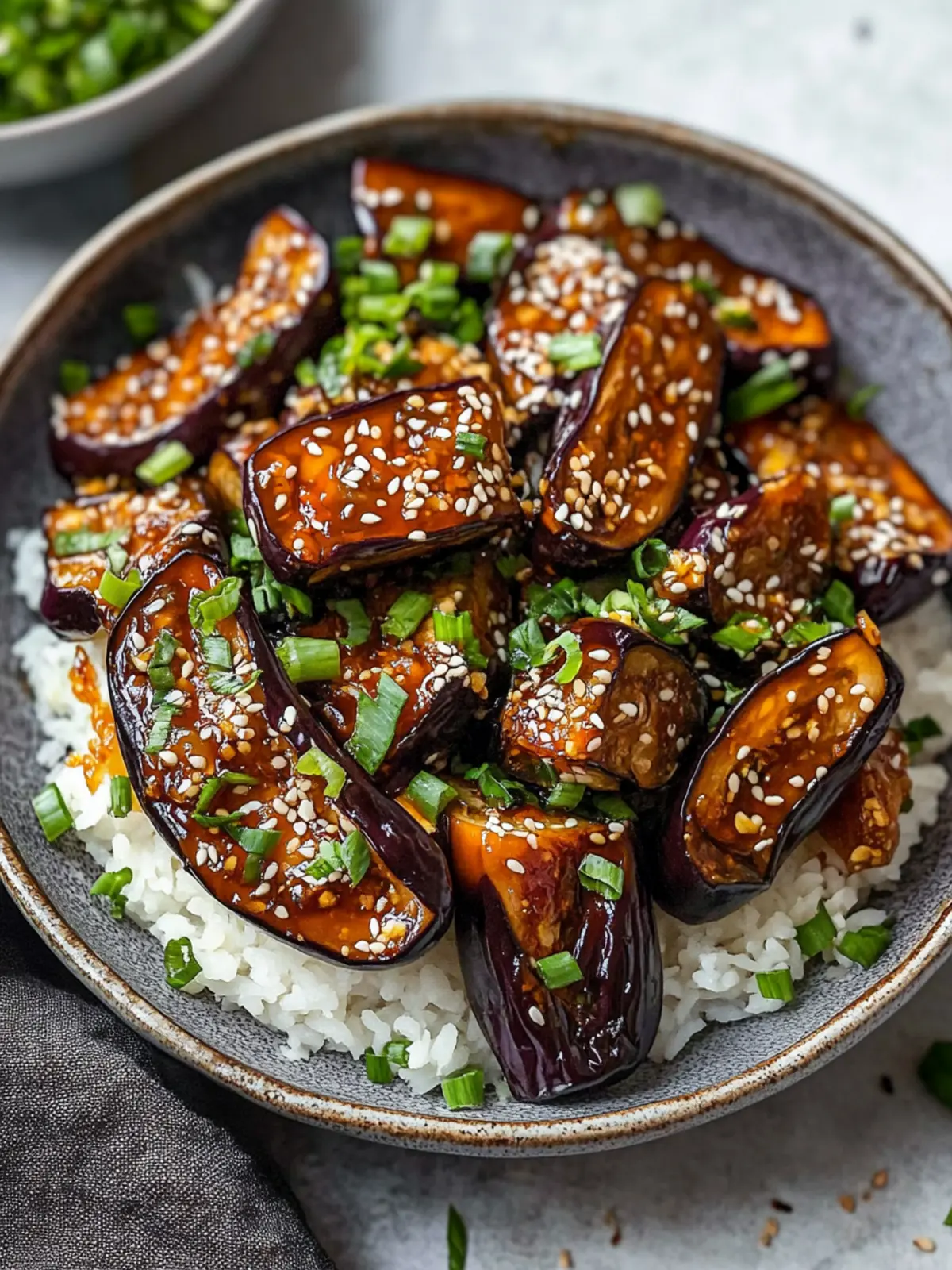
When selecting eggplants, choose medium-sized ones that are firm and glossy. Avoid any with dark spots or a wrinkled skin, as these may indicate over-ripeness. Your eggplant should feel heavy for its size, which indicates a good, meaty texture to absorb all that delicious gochujang flavor.
How should I store leftover Gochujang Eggplant?
Leftovers can be stored in an airtight container in the fridge for up to 3-4 days. Allow it to cool completely before storing to prevent moisture buildup. When you’re ready to enjoy it again, simply reheat in the microwave or on the stovetop until warmed through again; you want that creamy texture to shine once more!
Can I freeze Gochujang Eggplant?
Absolutely! You can freeze Gochujang Eggplant for up to 3-4 months. Allow the dish to cool completely, then transfer it to freezer-safe containers or bags. Make sure to remove as much air as possible to prevent freezer burn. When you’re ready to eat, thaw it in the refrigerator overnight and reheat, adding a splash of vegetable broth or water during reheating to maintain moisture.
What if my eggplant turns mushy while cooking?
If your eggplant becomes mushy, it may be due to overcooking or using older eggplants. Aim to cook until they’re fork-tender but not falling apart, which generally takes about 8-10 minutes over medium heat. If you encounter mushiness, consider using less sensitive vegetables like bell peppers or mushrooms next time for a varied texture complementing the sauce.
Is Gochujang safe for those with allergies or dietary restrictions?
Gochujang is generally gluten-free; however, always check the label to ensure no wheat has been added. Additionally, if you’re vegan, make sure the gochujang and any other sauces do not contain any animal products. If you’re preparing a dish for someone with allergies, ensure fresh ingredients have no cross-contamination and opt for low-sodium or allergy-friendly alternatives whenever possible.
How can I enhance the flavor of my Gochujang Eggplant?
To elevate the flavors of Gochujang Eggplant, consider adding in more veggies, like bell peppers or mushrooms, as they not only add great texture but also nutritional value. You can also experiment by drizzling a bit of lime juice just before serving for an extra zing or toss in chili flakes for some additional heat to make each bite even more exciting!
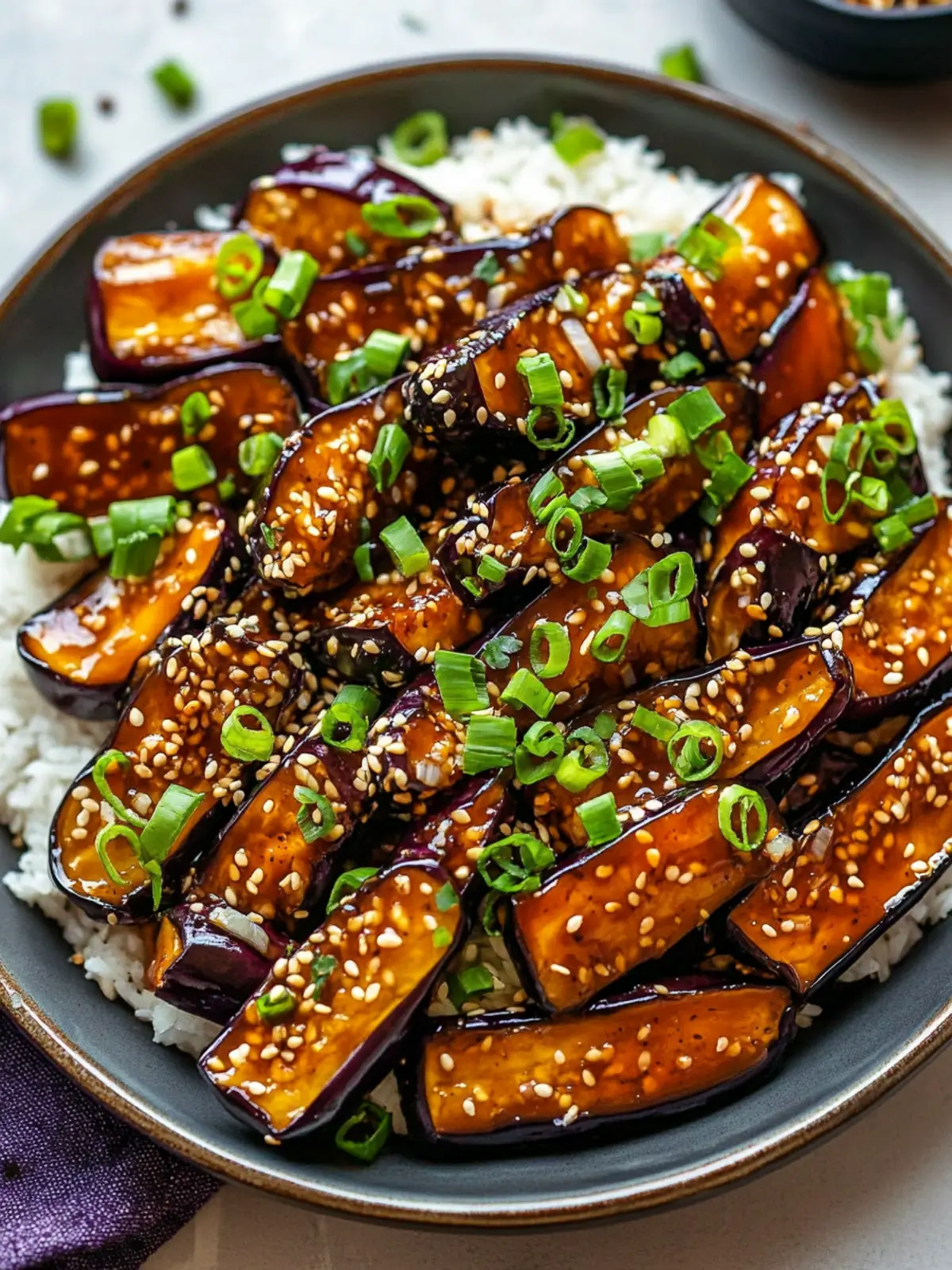
Bold Gochujang Eggplant – Quick Vegan Delight Under 30 Minutes
Ingredients
Equipment
Method
- In a small bowl, whisk together gochujang, soy sauce, rice vinegar, honey (or maple syrup), and sesame oil. Set aside.
- Heat vegetable oil in a large skillet or wok over medium-high heat. Add minced garlic and ginger; sauté for about 1 minute until fragrant.
- Add cubed eggplant to the skillet, sprinkle with salt, and cook for 8-10 minutes, stirring occasionally.
- Reduce heat to medium, then pour the prepared gochujang sauce over the eggplant. Stir in chopped green onions and heat for another 2-3 minutes.
- Transfer the mixture to a serving dish, garnish with reserved green onions and sesame seeds, and serve warm.