
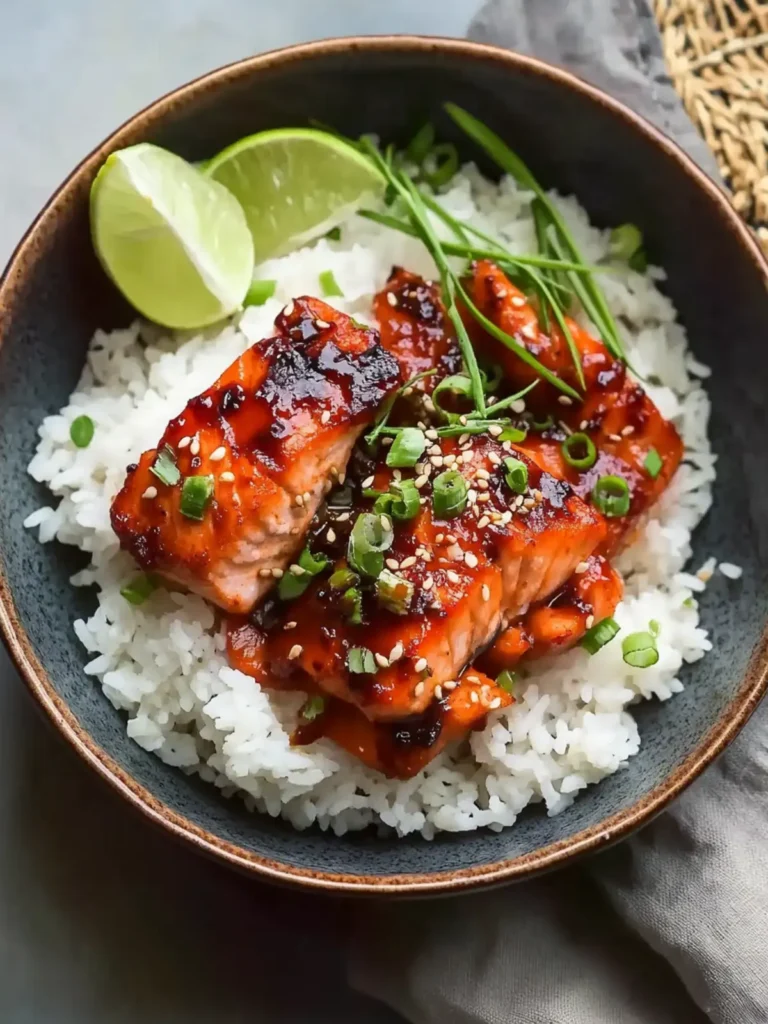
A vibrant dinner awaits you with this Glazed Gochujang Salmon paired with Fragrant Pandan Rice! Picture this: the enticing aroma of sweet and spicy gochujang wafts through your kitchen, mingling beautifully with the creamy coconut and floral notes of pandan-infused rice. I stumbled upon this delightful combination during a quest for something fresh and satisfying, and let me tell you, it’s been a game-changer!
This dish not only delivers an explosion of flavor but is also incredibly easy to whip together, making it ideal for weeknight meals or a cozy dinner with friends. With just a few key techniques, including dry-brining that locks in moisture, and the dreamy pairing of salmon with aromatic rice, you’ll find yourself relishing every bite. Say goodbye to the mundane weekly routine of takeout, and discover how this mouthwatering fusion can transform your dinner time into an unforgettable culinary experience!

Why Try Gochujang Salmon with Pandan Rice?
Unique Flavors: This recipe features gochujang, bringing a delightful sweet-spicy kick that pairs perfectly with the richness of salmon.
Aromatic and Inviting: The pandan rice adds a fragrant, floral aroma that transports your senses straight to Southeast Asia.
Quick and Easy: With minimal prep and cook time, you can whip up this dish on busy weeknights or impress guests with gourmet flair.
Versatile Ingredients: Feel free to substitute proteins or add vegetables like bok choy to customize it to your taste.
Health-Conscious Choice: Grain-free options are available by swapping with quinoa or cauliflower rice, making it a reliable choice for various dietary preferences.
Crowd-Pleasing Appeal: Whether it’s a family meal or a gathering with friends, this dish is sure to leave everyone asking for seconds!
Gochujang Salmon with Pandan Rice Ingredients
For the Salmon
• Salmon – Main protein source; provides a rich flavor. Substitution: Any firm fish fillet can be used if desired.
• Kosher Salt – For dry brining, enhances flavor, and moisture retention. Note: Adjust amount for kosher vs. table salt.
• Cane Sugar – Balances the saltiness of the brine, adds flavor. Substitution: Brown sugar may be used for a deeper flavor.
• Avocado Oil – Used for cooking; offers a high smoke point and mild flavor. Substitution: Olive oil can work but has a stronger taste.
• Gochujang – Key flavor component; brings spicy-sweet complexity. Note: Levels of heat vary; choose according to preference.
• Honey – Sweetens the glaze and balances spice. Substitution: Maple syrup can be used for a vegan option.
• Sesame Oil – Adds nuttiness to the glaze. Note: Toasted sesame oil provides deeper flavor.
• Rice Vinegar – Brightens the flavor of the glaze. Substitution: Apple cider vinegar can be used in a pinch.
• Soy Sauce – Adds umami and saltiness. Substitution: Tamari is a gluten-free alternative.
For the Rice
• Jasmine Rice – Base of the dish; fragrant and absorbs flavors well. Substitution: Basmati rice can be used for a different texture.
• Pandan Leaves – Infuses rice with a fragrant, floral flavor. Note: Frozen or fresh leaves recommended; can be found at Asian markets.
• Canned Coconut Milk – Adds creaminess and tropical flavor to rice. Note: Full-fat coconut milk recommended for richness.
• Garlic – Adds aromatic depth to the rice. Note: Fresh garlic is preferable; avoid jarred versions for best flavor.
• Shallot – Enhances the sweetness and complexity of the rice. Substitution: Onion can be used if shallots are unavailable.
• Ginger – Provides warmth and a slight spice. Preparation: Use fresh ginger for maximum flavor.
For Garnishing
• Toasted Sesame Seeds – For garnish, adds crunch and visual appeal. Note: Can substitute with chopped nuts for texture.
• Scallions – For garnish, adds a fresh, mild onion flavor. Preparation: Use green parts for garnish only.
This flavorful Gochujang Salmon with Pandan Rice dish is not just a meal but an experience, delivering vibrant tastes and easy preparation for everyone to enjoy!
How to Make Gochujang Salmon with Pandan Rice
-
Prep the Rice: Rinse jasmine rice under cold water until the water runs clear to remove excess starch. Sauté minced garlic, shallot, and ginger in avocado oil over medium heat until softened and fragrant, about 3-4 minutes.
-
Combine Ingredients: In a rice cooker, add the sautéed aromatics, rinsed rice, water, pandan leaves, canned coconut milk, and a pinch of salt. Cook according to rice cooker instructions until fluffy and aromatic.
-
Dry-Brine the Salmon: Pat the salmon fillets dry with paper towels. In a bowl, mix kosher salt and cane sugar, then rub this mixture evenly over the salmon. Let it sit for 15 minutes—this enhances flavor and moisture retention.
-
Rinse and Prep: After brining, rinse the salmon under cool water to remove excess salt and pat dry again. This will ensure a perfect glaze and prevent the salmon from being too salty.
-
Broil the Salmon: Preheat your oven’s broiler on high. Prepare the glaze by whisking together gochujang, honey, sesame oil, rice vinegar, soy sauce, minced ginger, minced garlic, and a splash of water. Drizzle the salmon with avocado oil and season lightly with salt. Broil for 4 minutes.
-
Glaze the Fish: After 4 minutes, brush half the glaze over the salmon and broil for another 3 minutes. Finally, brush with the remaining glaze and broil for an additional 2 minutes, or until the salmon is cooked through and caramelized.
-
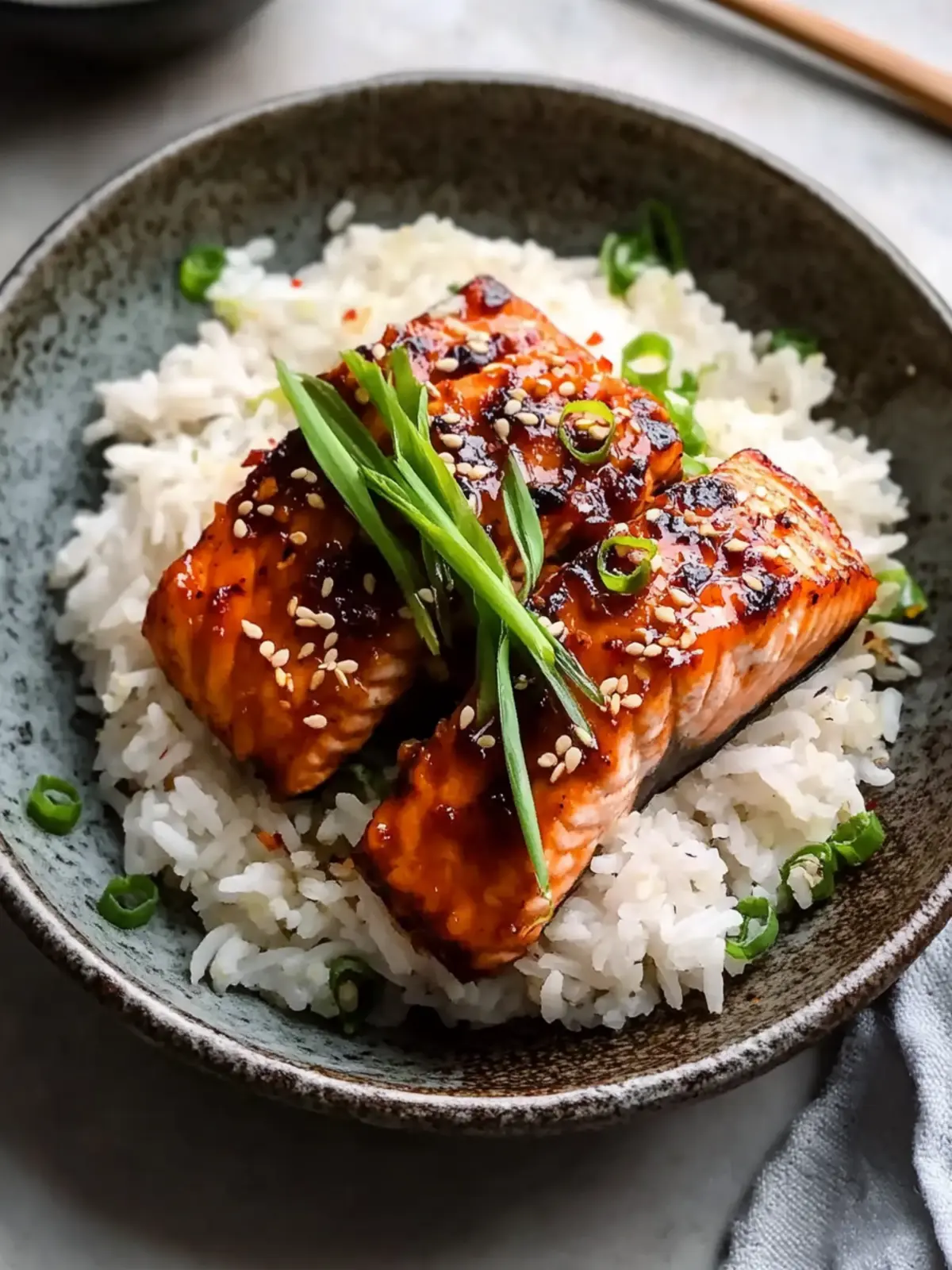
Finish the Dish: Discard the pandan leaves from the cooked rice and fluff it gently with a fork. Serve the beautifully glazed salmon on a bed of fragrant pandan rice, garnishing with toasted sesame seeds and sliced scallions for an appetizing presentation.
Optional: Drizzle with a bit more sesame oil for extra nuttiness.
Exact quantities are listed in the recipe card below.
Make Ahead Options
These Glazed Gochujang Salmon with Pandan Rice are perfect for meal prep enthusiasts! You can dry-brine the salmon up to 24 hours in advance, which enhances its flavor and moisture retention. Simply mix the kosher salt and cane sugar, coat the salmon, and refrigerate it wrapped tightly. Additionally, the pandan rice can be fully cooked up to 3 days ahead; just store it in an airtight container in the fridge. When you’re ready to serve, simply reheat the rice gently and broil the salmon for a few minutes to caramelize the glaze. This way, you’ll have a deliciously convenient dinner on busy weeknights, without compromising on taste!
Expert Tips for Gochujang Salmon with Pandan Rice
-
Perfectly Cooked Salmon: Use a digital thermometer to check for doneness—wild salmon should reach 120°F, while farmed salmon should be at 125°F to ensure ideal texture.
-
Monitor Broiling Time: Keep a close eye on the salmon while broiling to prevent overcooking. The time may vary based on your oven, so adjust accordingly.
-
Flavor Infusion: Don’t skip the dry-brining process for the salmon; it enhances flavor and moisture retention. Rinse and pat dry after brining for best results.
-
Rice Consistency: For fluffy pandan rice, ensure not to overcook. Fluff with a fork after it’s finished cooking, and let it sit for a few minutes before serving.
-
Ingredient Substitution: Feel free to experiment with different fish or vegetable add-ins to make this gochujang salmon and pandan rice fit your taste preferences.
What to Serve with Gochujang Salmon with Pandan Rice?
Creating a well-rounded meal is easy when you pair this delightful dish with complementary sides and beverages.
-
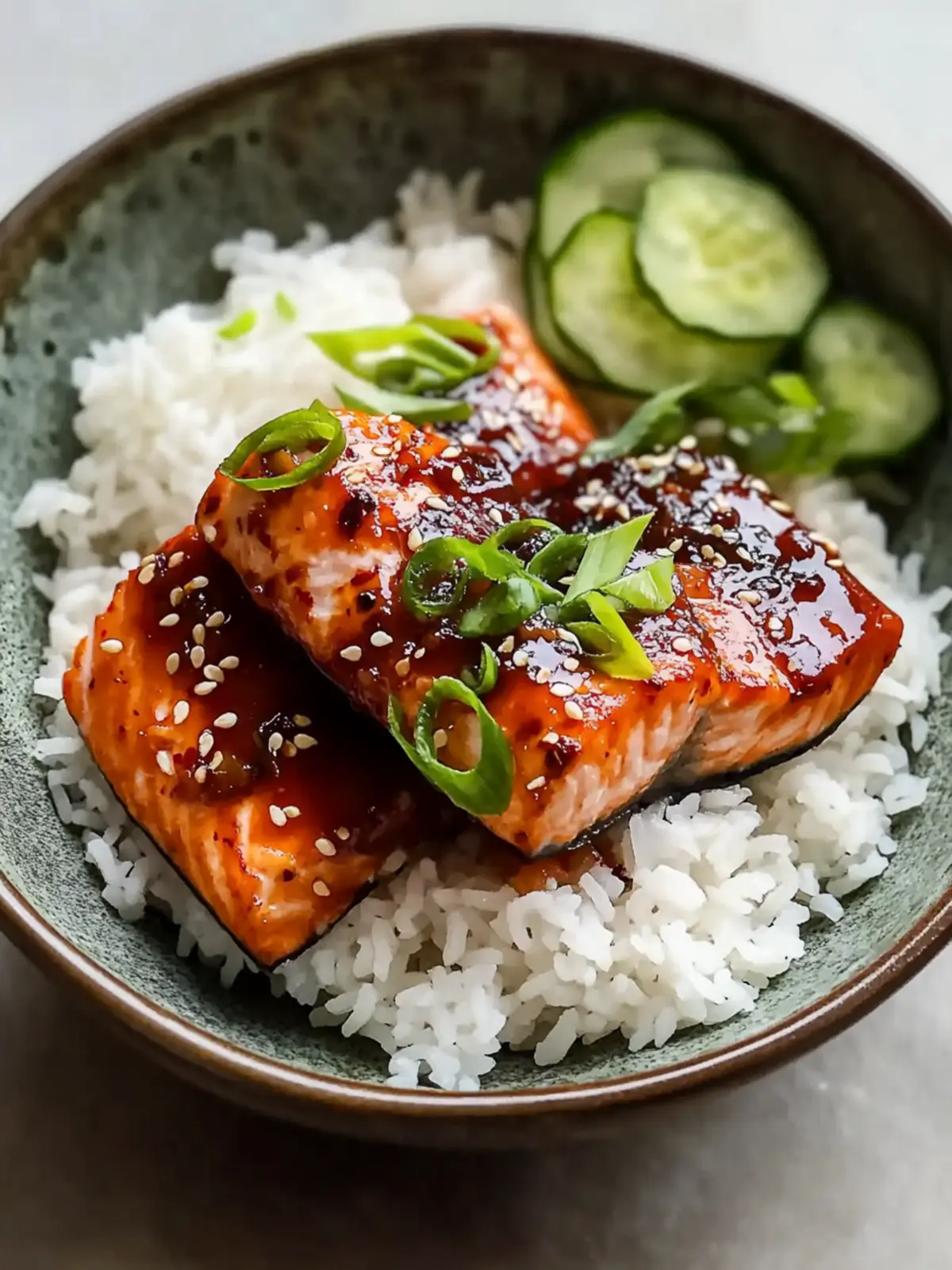
Fresh Cucumber Salad: A crisp cucumber salad with sesame dressing adds a refreshing crunch that balances the rich flavors of the salmon and coconut rice.
-
Steamed Bok Choy: Lightly steamed bok choy provides vibrant color and a mild taste, enhancing the meal without overwhelming your palate. Drizzle with soy sauce for added umami.
-
Sweet Potato Wedges: Baked or air-fried sweet potato wedges bring a touch of sweetness and earthy flavor, perfectly harmonizing with the spicy glaze of the salmon.
-
Miso Soup: A warm bowl of miso soup with tofu and seaweed is a comforting addition that echoes the Asian flavors, offering a soothing contrast with every bite.
-
Sushi Rolls: Consider pairing with sushi rolls made with fresh vegetables or shrimp for an exciting twist. The combination of textures makes for a delightful meal that will impress.
-
Mango Sticky Rice: For dessert, opt for mango sticky rice, which adds tropical sweetness and pairs nicely with pandan flavors, completing your evening on a sweet note.
-
Chardonnay or Sake: Enjoy a chilled glass of Chardonnay or a warm serving of sake to elevate your dining experience. Both drinks harmonize beautifully with the dish’s robust flavors.
How to Store and Freeze Gochujang Salmon with Pandan Rice
Fridge: Store any leftover gochujang salmon and pandan rice in an airtight container for up to 3 days. Make sure to cool the dish completely before sealing to prevent condensation.
Freezer: If you have extra salmon, wrap it tightly in plastic wrap and then foil, or place it in a freezer-safe bag. It can be frozen for up to 3 months but be sure to defrost in the fridge before reheating.
Reheating: To maintain the salmon’s texture, reheat in the oven at 350°F (175°C) for about 10 minutes, or until warmed through. Avoid microwaving, as it may make the fish rubbery.
Rice Storage: Leftover pandan rice can be refrigerated for up to 3 days. Reheat gently with a splash of water and fluff before serving for the best texture.
Variations & Substitutions for Gochujang Salmon with Pandan Rice
Feel free to get creative and make this dish your own, exploring a variety of flavors and ingredients!
-
Substitute Fish: Try mackerel or tuna for a richer taste, each bringing its unique flavor profile to the dish. Embrace the variety and experience a new twist each time!
-
Low-Carb Option: Swap jasmine rice for cauliflower rice or quinoa for a lighter, healthier alternative. These options provide a different texture while still complementing the flavorful salmon beautifully.
-
Add Color: Incorporate colorful vegetables like steamed broccoli or bok choy into the rice for added nutrition and a burst of color, transforming each bite into a nourishing experience.
-
Spice It Up: Increase the heat by adding a dash of chili flakes or slicing fresh jalapeños in the glaze. This fiery addition will certainly awaken your taste buds!
-
Sweeten Differently: For a twist in sweetness, replace honey with agave syrup for a vegan-friendly option. This subtle change maintains the glaze’s luscious quality while catering to dietary preferences.
-
Herb Infusion: Mix in fresh herbs such as cilantro or basil before serving to enhance freshness and aromatic complexity. Each herb brings its distinct vibrancy!
-
Nutty Finish: Instead of sesame seeds, try sprinkling chopped peanuts or cashews for an unexpected crunch and richness that pairs perfectly with the dish’s overall profile.
-
Flavorful Broth: Use broth instead of water when cooking rice for an added layer of flavor. This simple swap can elevate the overall taste experience of your meal!
With these variations, you’ll always have innovative options to look forward to, ensuring that your Gochujang Salmon with Pandan Rice remains an exciting culinary delight!
Gochujang Salmon with Pandan Rice Recipe FAQs
What type of salmon should I use for this recipe?
Absolutely! I recommend using fresh, wild-caught salmon if available, as it provides a richer flavor and better texture. If wild salmon is not an option, farmed salmon works just as well. Feel free to substitute with any firm fish fillet like mackerel or tuna, depending on your preference.
How should I store leftovers?
Store any leftover gochujang salmon and pandan rice in an airtight container in the refrigerator for up to 3 days. Make sure to cool the dish completely before sealing to prevent condensation, which can make your rice soggy.
Can I freeze gochujang salmon and pandan rice?
Absolutely! If you have extra salmon, wrap it tightly in plastic wrap followed by foil or place it in a freezer-safe bag. It can be frozen for up to 3 months. For the rice, it’s best to store it in an airtight container as well. When you’re ready to enjoy it, ensure to defrost in the fridge overnight before reheating.
How do I reheat the salmon and rice?
To keep the salmon moist and tender, reheat in the oven at 350°F (175°C) for about 10 minutes, or until warmed through. Avoid microwaving if possible, as it can make the fish rubbery. For the pandan rice, reheat gently with a splash of water in a covered pan to help steam it and maintain its fluffy texture.
What if I have dietary restrictions or allergies?
The recipe can easily be adapted! For a gluten-free option, use tamari instead of soy sauce and ensure your gochujang is gluten-free. Additionally, for those with seafood allergies, consider using chicken or tofu as a protein alternative. Customize the rice by swapping jasmine for quinoa or cauliflower rice if you’re looking for a low-carb option!
What if I don’t have pandan leaves?
If you can’t find pandan leaves, don’t worry! You can substitute with a splash of coconut extract or a tiny bit of green food coloring for visual appeal. While it won’t have the exact same flavor, it will still be delicious!
Gochujang Salmon with Pandan Rice: A Flavor Adventure Awaits
Ingredients
Equipment
Method
- Rinse jasmine rice under cold water until it runs clear. Sauté minced garlic, shallot, and ginger in avocado oil over medium heat until softened, about 3-4 minutes.
- In a rice cooker, add the sautéed aromatics, rinsed rice, water, pandan leaves, canned coconut milk, and a pinch of salt. Cook according to rice cooker instructions.
- Pat the salmon fillets dry. Mix kosher salt and cane sugar, rub evenly over salmon, and let sit for 15 minutes.
- After brining, rinse salmon under cool water to remove excess salt and pat dry.
- Preheat your oven's broiler on high. Prepare the glaze by whisking together gochujang, honey, sesame oil, rice vinegar, soy sauce, minced ginger, minced garlic, and a splash of water. Drizzle salmon with avocado oil and season lightly. Broil for 4 minutes.
- Brush half the glaze over the salmon and broil for another 3 minutes. Brush with remaining glaze and broil for an additional 2 minutes, or until cooked through.
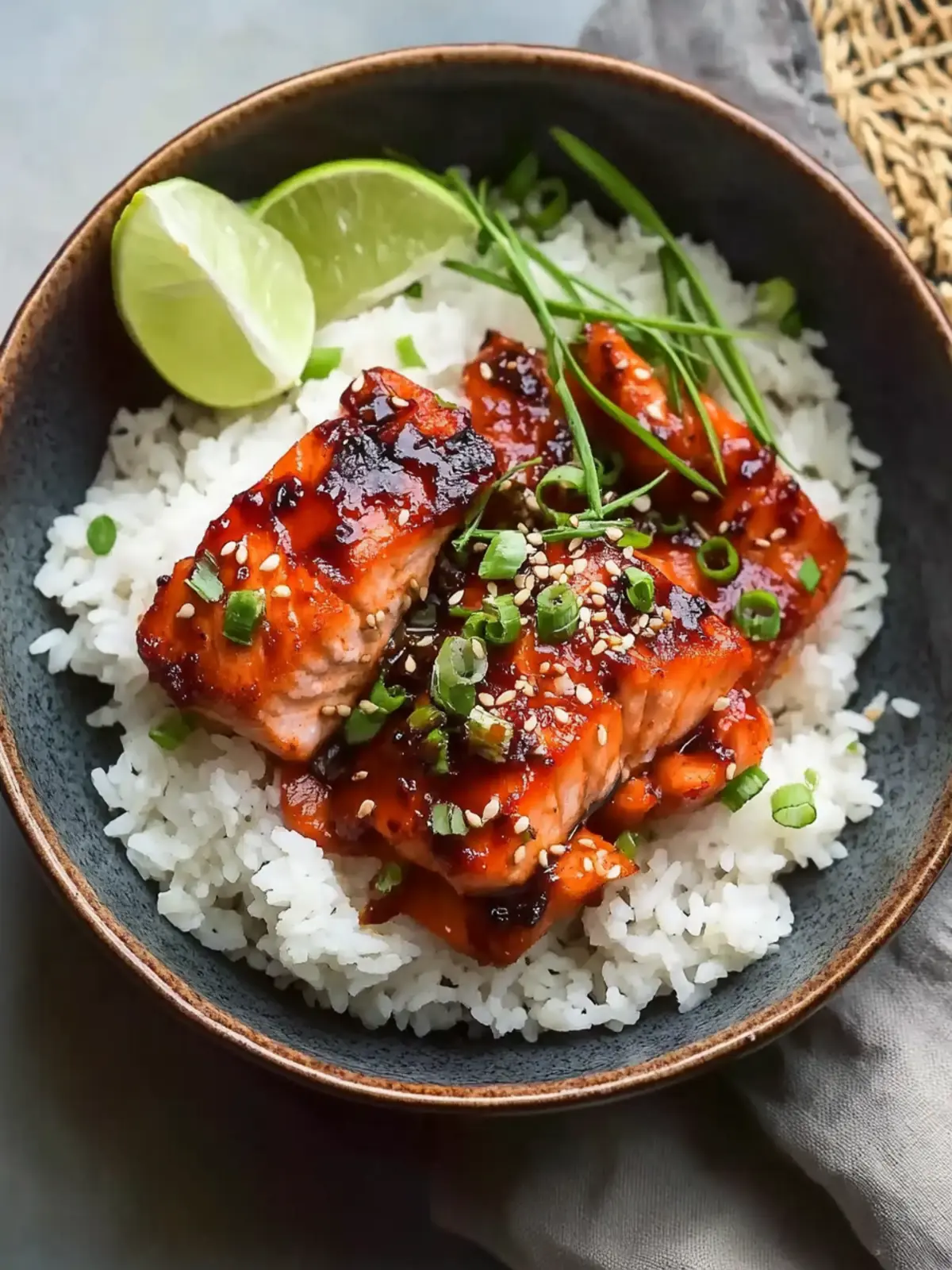
- Discard pandan leaves from cooked rice and fluff gently with a fork. Serve salmon on a bed of rice, garnished with sesame seeds and scallions.